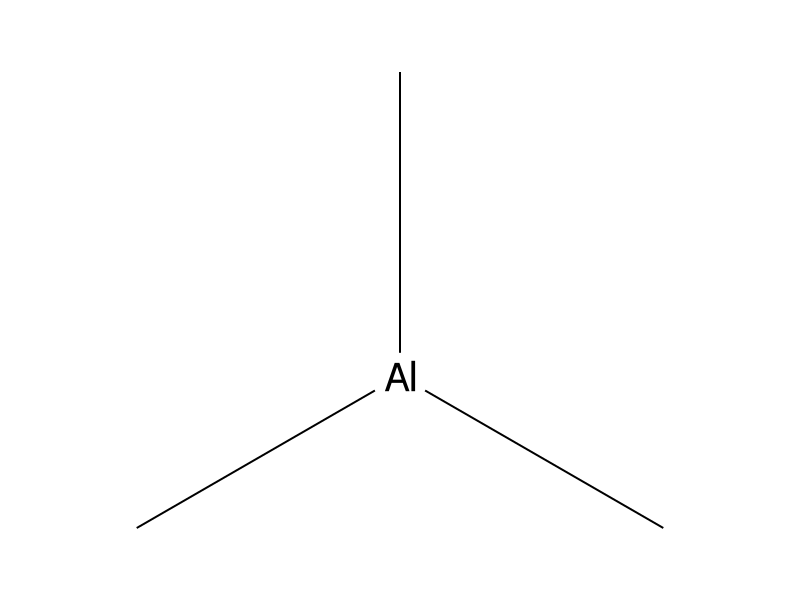
[CH:1]([C:4]1[CH:10]=[CH:9][CH:8]=[C:7]([CH:11]([CH3:13])[CH3:12])[C:5]=1[NH2:6])([CH3:3])[CH3:2].C[Al](C)C.[Br:18][C:19]1[CH:20]=[C:21]([CH:24]=[C:25]([CH3:27])[CH:26]=1)[C:22]#[N:23].ClCCl.CO>C1(C)C=CC=CC=1.CCCCCC>[Br:18][C:19]1[CH:20]=[C:21]([CH:24]=[C:25]([CH3:27])[CH:26]=1)[C:22](=[NH:23])[NH:6][C:5]1[C:4]([CH:1]([CH3:3])[CH3:2])=[CH:10][CH:9]=[CH:8][C:7]=1[CH:11]([CH3:13])[CH3:12]To a 250 mL 3-neck round bottom flask was added 2,6-diisopropylaniline (2.365 g, 13.34 mmol) and 70 mL toluene. The solution was cooled in an ice bath under nitrogen and trimethylaluminum (2.0 M in toluene, 9.34 mL, 18.68 mmol) was added dropwise via dropping funnel. The reaction mixture was stirred at room temperature for 2 hours. Next, 3-bromo-5-methylbenzonitrile (3.4 g, 17.34 mmol) in 30 mL toluene was added and the reaction mixture was heated to 70° C. overnight under nitrogen. The reaction mixture was cooled in an ice bath and was poured onto a stirring slurry of silica gel in 2:1 dichloromethane/methanol (v/v). The silica gel was filtered off and washed with dichloromethane and methanol. The filtrate was evaporated leaving a solid. Hexane was added to the solvent and the solid was filtered off and washed with hexane (2.92 g, 59%).