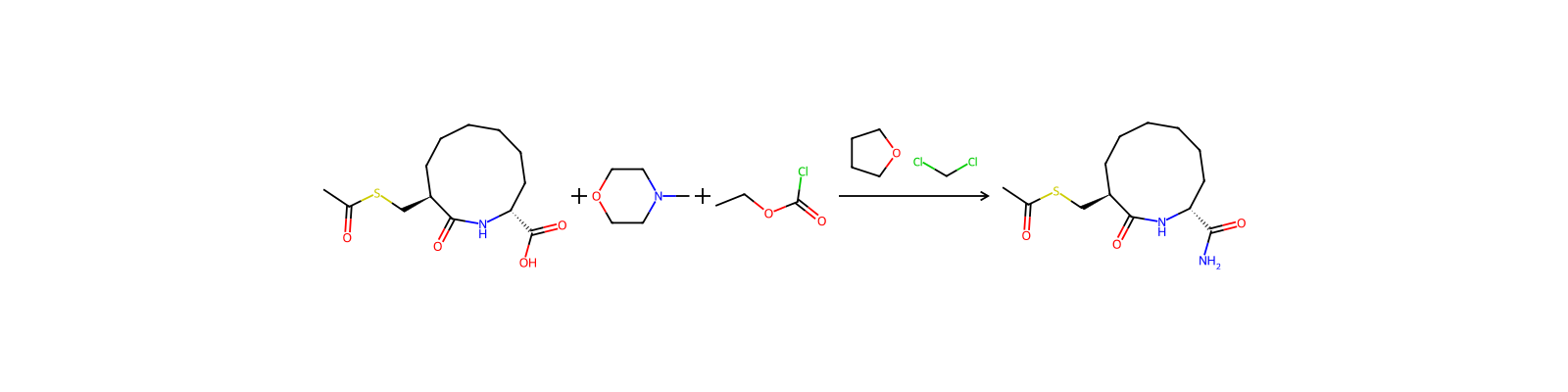
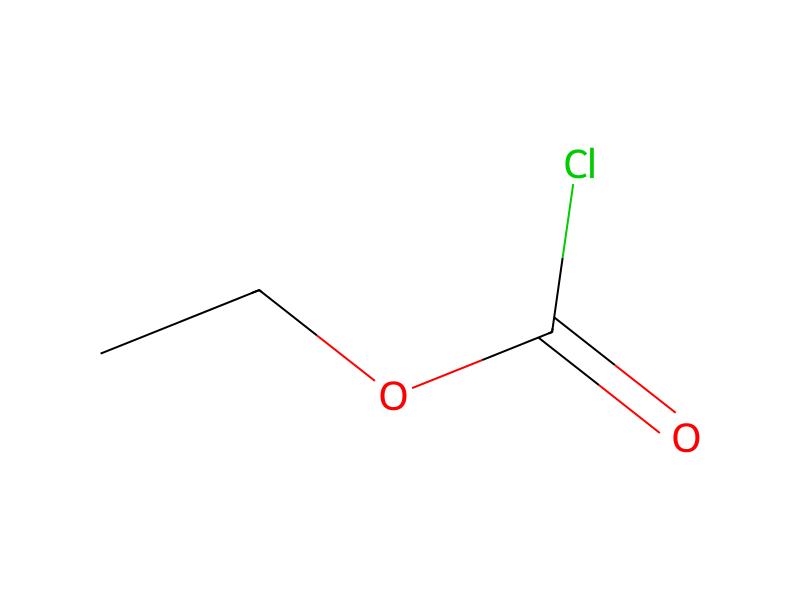
Trans 3-(acetylthiomethyl)-2-oxo-1-azacyclodecane-10-carboxylic acid (0.30 g, 1.05 mmol) is dissolved in tetrahydrofuran (5.0 mL). 4-Methylmorpholine (0.14 mL, 1.05 mmol) is then added, and the reaction is cooled to -20° C. Ethyl chloroformate (0.1 mL, 1.05 mmol) is then added, and the reaction is stirred at -20° C. for 30 minutes. The reaction is then filtered, and the filtrate is concentrated to give a yellow oil. This oil is dissolved in methylene chloride (20.0 mL), and anhydrous ammonia gas is bubbled through the solution for 1 hour. The bubbling is stopped, and the reaction is stirred an additional 1 hour. The solvent is evaporated, and the residue is partitioned between ethyl acetate and water. The aqueous layer is extracted several times with ethyl acetate, the combined organic layers are dried (Na2SO4), and the solvent is evaporated to give trans 3-(acetylthiomethyl)-2-oxo-1-azacyclodecane-10-carboxamide, MS:M+1=287.