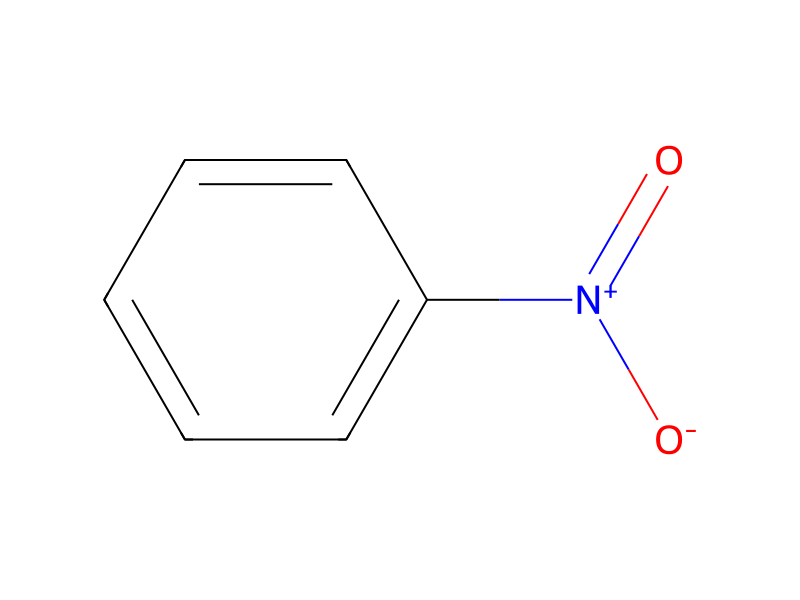
[N+:1](C1C=CC=CC=1)([O-])=O.Cl[C:11]1[C:24]2[C:23](=O)[C:22]3[C:17](=[C:18](Cl)[CH:19]=[CH:20][CH:21]=3)[C:16](=[O:27])[C:15]=2[CH:14]=[CH:13][CH:12]=1.NC1C2C(=O)C3C(=CC=CC=3)C(=O)C=2C=CC=1.C(=O)([O-])[O-].[Na+].[Na+]>[Cu]Cl>[CH:11]1[C:24]2[C:23](=[NH:1])[C:22]3[C:17](=[CH:18][CH:19]=[CH:20][CH:21]=3)[C:16](=[O:27])[C:15]=2[CH:14]=[CH:13][CH:12]=1A reaction vessel is charged with 5000 parts of nitrobenzene to which are added 428.5 parts of 1,5-dichloroanthraquinone, 670 parts of 1-aminoanthraquinone, 250 parts of anhydrous sodium carbonate and 10 parts of copper(I) chloride. With stirring, the mixture is heated to 190° C. and a further 10 parts of copper(I) chloride are added. After reflux distillation without pressure over 5 hours, the reaction mixture is heated to 240° C. and the pressure rises to 2 bar. Stirring is continued for 4 hours under these conditions. The reaction mixture is cooled and the reaction product is isolated and dried, affording 976 parts (97% yield, based on 1,5-dichloroanthraquinone) of the anthraquinone imide of the formula ##STR2## This anthraquinone imide is converted into a yellow vat dye by a double carbazole cyclisation.