Dicyclohexylcarbodiimide → 4-(2,5-Anhydro-4-bromo-3,4-dideoxy-D-erythropentonoyl)-1-piperazinecarboxylic acid phenylmethyl ester
Reaktionsgleichung

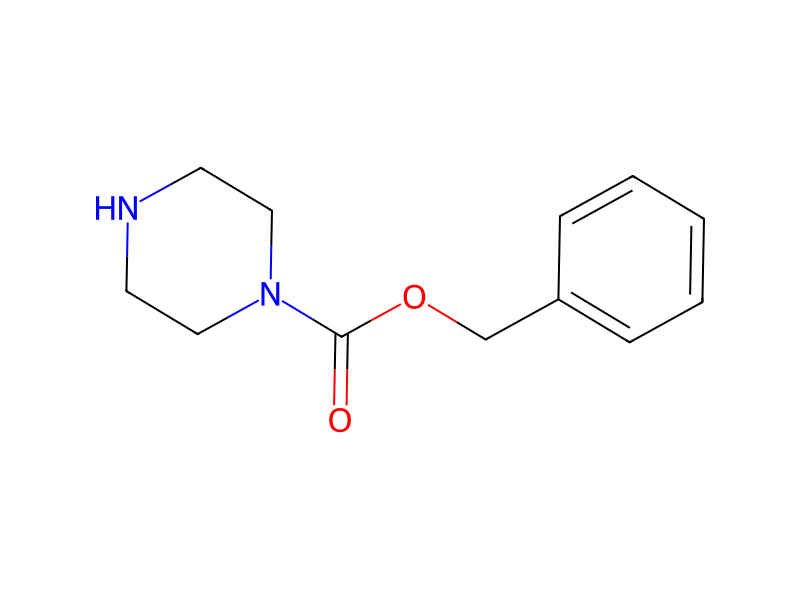
[Br:1][C@@H:2]1[CH2:9][O:8][C@@H:4]([C:5]([OH:7])=O)[CH2:3]1.ON1C2C=CC=CC=2N=N1.[CH2:20]([O:27][C:28]([N:30]1[CH2:35][CH2:34][NH:33][CH2:32][CH2:31]1)=[O:29])[C:21]1[CH:26]=[CH:25][CH:24]=[CH:23][CH:22]=1.C1(N=C=NC2CCCCC2)CCCCC1>O.CN(C)C=O.C(Cl)Cl>[C:21]1([CH2:20][O:27][C:28]([N:30]2[CH2:35][CH2:34][N:33]([C:5]([C@@H:4]3[O:8][CH2:9][C@@H:2]([Br:1])[CH2:3]3)=[O:7])[CH2:32][CH2:31]2)=[O:29])[CH:26]=[CH:25][CH:24]=[CH:23][CH:22]=1Komponenten
8