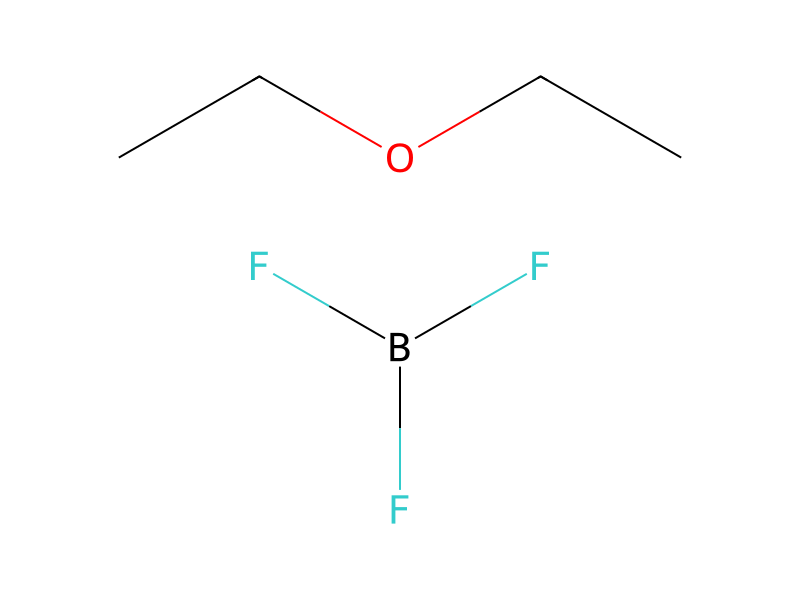
Br[C:2]1[CH:3]=[CH:4][C:5]2[CH:6]=[CH:7][C:8]3[C:13]([C:14]=2[CH:15]=1)=[CH:12][C:11]([O:16][CH2:17][CH2:18][CH:19]1[CH2:21][CH2:20]1)=[CH:10][CH:9]=3.C[Li].C([Li])CCC.[CH3:29][C:30]1([O:33][CH2:32]1)[CH3:31].B(F)(F)F.CCOCC>C1COCC1>[CH:19]1([CH2:18][CH2:17][O:16][C:11]2[CH:12]=[C:13]3[C:8](=[CH:9][CH:10]=2)[CH:7]=[CH:6][C:5]2[CH:4]=[CH:3][C:2]([CH2:29][C:30]([CH3:32])([OH:33])[CH3:31])=[CH:15][C:14]3=2)[CH2:21][CH2:20]1To a solution of 3-bromo-6-(2-cyclopropylethoxy)phenanthrene (11 mmol) from Step 1 above in THF (75 mL) at −78° C. was successively added methyllithium (1.6 M in diethyl ether, 1 mL) and butyllithium (2.5 M in hexanes, 5.3 μL). The mixture was stirred at −78° C. for 30 minutes, after which isobutylene oxide (2.9 mL, 33 mmol) was added, followed by BF3.OEt2 (4.2 mL, 33 mmol). The reaction mixture was stirred at −78° C. for 1 h, then quenched with 1 M HCl. The aqueous layer was extracted with ethyl acetate. The combined organic layer was washed with brine, dried over MgSO4, filtered and concentrated. The material was purified by flash chromatography on silica (10% ethyl acetate in hexanes) to afford 1-[6-(2-cyclopropylethoxy)-3-phenanthryl]-2-methylpropan-2-ol (1.33 g) as a yellow oil.