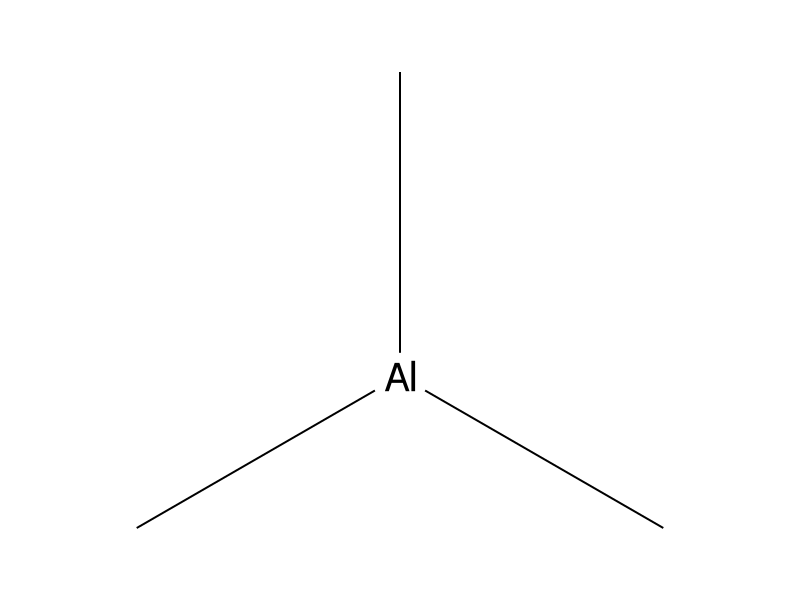
[F:1][C:2]1[CH:3]=[C:4]([CH:6]=[CH:7][C:8]=1[N:9]1[CH2:14][CH2:13][N:12]([CH3:15])[CH2:11][CH2:10]1)[NH2:5].C[Al](C)C.N#N.[NH:22](/[C:26](/[CH3:32])=[CH:27]\[C:28](OC)=[O:29])[C:23]([CH3:25])=O>C(Cl)Cl>[F:1][C:2]1[CH:3]=[C:4]([N:5]2[C:28](=[O:29])[CH:27]=[C:26]([CH3:32])[N:22]=[C:23]2[CH3:25])[CH:6]=[CH:7][C:8]=1[N:9]1[CH2:10][CH2:11][N:12]([CH3:15])[CH2:13][CH2:14]1To a solution of 3-fluoro-4-(4-methylpiperazin-1-yl)aniline (11.01 g, 52.60 mol) in anhydrous CH2Cl2 (200 mL) was added trimethylaluminum (158 mL, 158 mmol, 1.0 M in toluene) slowly under N2. The mixture was stirred at rt for 20 min, followed by the addition of a solution of methyl 3-acetaminocrotonate (9.92 g, 63.10 mmol) in anhydrous CH2Cl2 (20 mL). The reaction mixture was stirred at rt for another 5 h, then quenched with saturated NH4Cl aqueous solution and extracted with CH2Cl2. The combined organic phases were washed with brine, dried over anhydrous Na2SO4 and concentrated in vacuo. The residue was purified by a silica gel column chromatography (CH2Cl2/MeOH (V/V)=5:1) to give the title compound as a white solid (11.31 g, 68%). The compound was characterized by the following spectroscopic data: