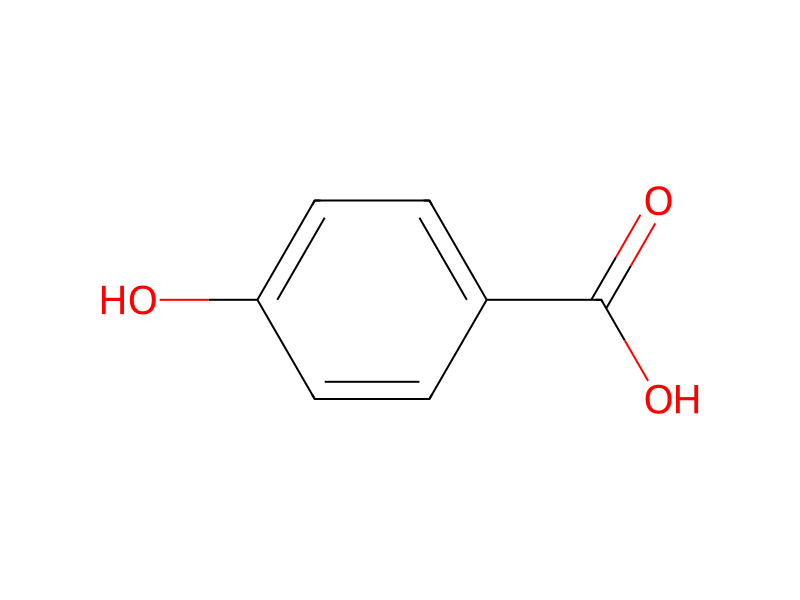
[Cl:1][C:2]1[CH:3]=[C:4]([CH:8]([C:25]2[CH:30]=[CH:29][CH:28]=[CH:27][CH:26]=2)[N:9]2[CH2:14][CH2:13][N:12](S(C3C=CC(C)=CC=3)(=O)=O)[CH2:11][CH2:10]2)[CH:5]=[CH:6][CH:7]=1.OC1C=CC(C(O)=O)=CC=1.N>Br.C(O)(=O)C>[Cl:1][C:2]1[CH:3]=[C:4]([CH:8]([C:25]2[CH:30]=[CH:29][CH:28]=[CH:27][CH:26]=2)[N:9]2[CH2:10][CH2:11][NH:12][CH2:13][CH2:14]2)[CH:5]=[CH:6][CH:7]=1(+)-1-[(3-Chlorophenyl)phenylmethyl]-4-[(4-methylphenyl)sulfonyl]piperazine (4.62 g, 10.48 mmol) was stirred in 30% hydrobromic acid-acetic acid solution (20 ml) in the presence of 4-hydroxybenzoic acid (5.06g, 36.66 mmol) at room temperature for two days. 28%-Aqueous ammonia was added to the reaction mixture, and the resulting mixture was extracted with chloroform. The chloroform layer was washed with water and then dried over anhydrous magnesium sulfate. Thereafter, the crude product obtained by removing the solvent by evaporation in vacuo was purified by column chromatography on silica gel with chloroform-methanol (20:1), to give