StartseiteMCPWorkbenchSkills
StartseiteWorkbenchBenachrichtigungenMein Bereich
llms.txt · MCP-AnleitungDatenschutz · Nutzungsbedingungen · Supportv1.8.3
  1. Startseite
  2. /Reaktion

Water → 2-[(5-Chloro-2-fluoro-phenyl)-hydrazono]-propionic acid ethyl ester

HRID 585829
Drucken

Reaktionsgleichung

Reaktionsgleichung von HRID 585829
[Cl:1][C:2]1[CH:3]=[CH:4][C:5]([F:10])=[C:6]([NH:8][NH2:9])[CH:7]=1.[C:11]([O:16][CH2:17][CH3:18])(=[O:15])[C:12]([CH3:14])=O.O>ClCCl>[CH2:17]([O:16][C:11](=[O:15])[C:12](=[N:9][NH:8][C:6]1[CH:7]=[C:2]([Cl:1])[CH:3]=[CH:4][C:5]=1[F:10])[CH3:14])[CH3:18]
KomponentenVersuchsvorschriftAufarbeitungQuellen und NachweiseNotizen zur Reaktion

Komponenten

5

Edukt 3

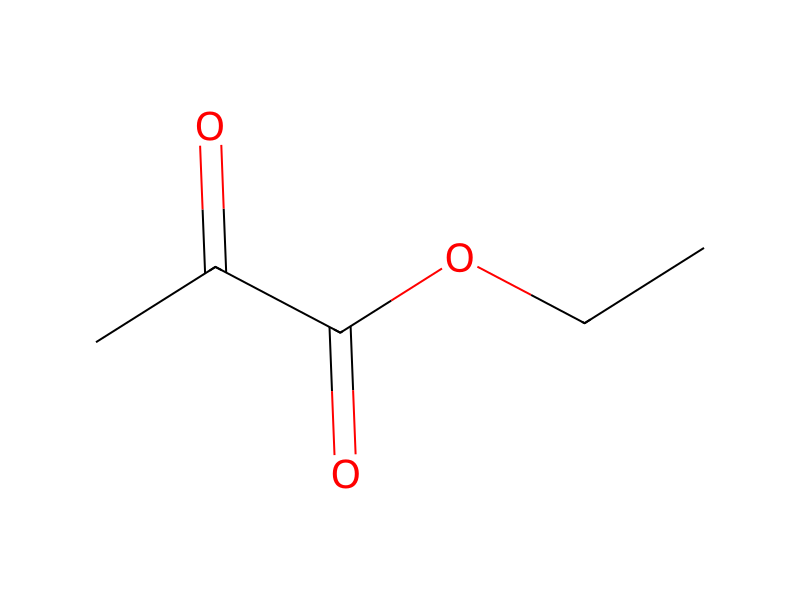
HCID 962WaterHCID 12041Ethyl pyruvateHCID 2773732(5-Chloro-2-fluorophenyl)hydrazine

Produkt 1

HCID 865847132-[(5-Chloro-2-fluoro-phenyl)-hydrazono]-propionic acid ethyl esterAusbeute 63 %

Reagenzien, Katalysatoren, Lösungsmittel 1

HCID 6344DichloromethaneLösungsmittel2×

Versuchsvorschrift

(5-Chloro-2-fluoro-phenyl)-hydrazine (22.5 g, 140 mmol) was dissolved in dichloromethane (80 mL). Ethyl pyruvate (16.3 mL, 140 mmol) was added slowly to this solution at room temperature. The mixture was stirred for another 1 h at room temperature, added to water and extraxcted with dichloromethane. Organic phases were pooled, washed subsequently with hydrochloric acid (1 N) and brine and dried with MgSO4. Solvents were removed in vacuo and the residue was triturated with n-hexane to yield the title product as beige solid (22.8 g, 62.9%), ISP-MS: m/e=259.1 (M+H+).

Aufarbeitung

  1. washwashed subsequently with hydrochloric acid (1 N) and brine
  2. dry with materialdried with MgSO4
  3. customSolvents were removed in vacuo
  4. customthe residue was triturated with n-hexane

Quellen und Nachweise

ORD-Eintrag
ord-198e9aab2f53425ca72f01b15ab2cbf1
Quelldatensatz
uspto-grants-2005_08
DOI
10.6084/m9.figshare.5104873.v1
Patentnummer
US06933387B2

Notizen zur Reaktion

Auf dieser SeiteKomponentenVersuchsvorschriftAufarbeitungQuellen und NachweiseNotizen zur Reaktion