StartseiteMCPWorkbenchSkills
StartseiteWorkbenchBenachrichtigungenMein Bereich
llms.txt · MCP-AnleitungDatenschutz · Nutzungsbedingungen · Supportv1.8.3
  1. Startseite
  2. /Reaktion

Lithium hexamethyldisilazane → N-{2-Chloro-3-[(E)-2-(2-chloro-4-pyrimidinyl)-1-hydroxyethenyl]phenyl}-2,5-difluorobenzenesulfonamide

HRID 590060
Drucken

Reaktionsgleichung

Reaktionsgleichung von HRID 590060
[NH2:1][C:2]1[C:3]([Cl:12])=[C:4]([CH:9]=[CH:10][CH:11]=1)[C:5]([O:7]C)=O.[F:13][C:14]1[CH:19]=[CH:18][C:17]([F:20])=[CH:16][C:15]=1[S:21](Cl)(=[O:23])=[O:22].[Li+].C[Si]([N-][Si](C)(C)C)(C)C.[Cl:35][C:36]1[N:41]=[C:40]([CH3:42])[CH:39]=[CH:38][N:37]=1>N1C=CC=CC=1.C1COCC1>[Cl:12][C:3]1[C:4](/[C:5](/[OH:7])=[CH:42]\[C:40]2[CH:39]=[CH:38][N:37]=[C:36]([Cl:35])[N:41]=2)=[CH:9][CH:10]=[CH:11][C:2]=1[NH:1][S:21]([C:15]1[CH:16]=[C:17]([F:20])[CH:18]=[CH:19][C:14]=1[F:13])(=[O:23])=[O:22]
KomponentenVersuchsvorschriftAufarbeitungQuellen und NachweiseNotizen zur Reaktion

Komponenten

7

Edukt 4

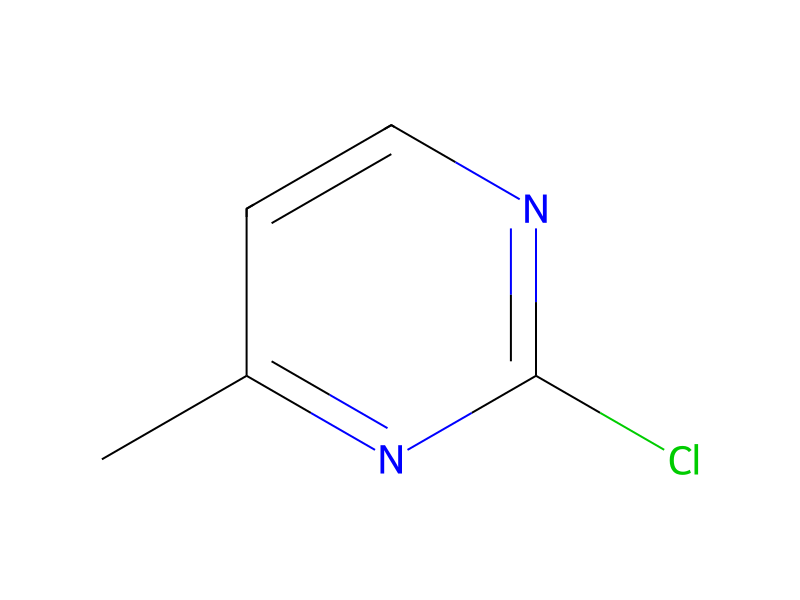
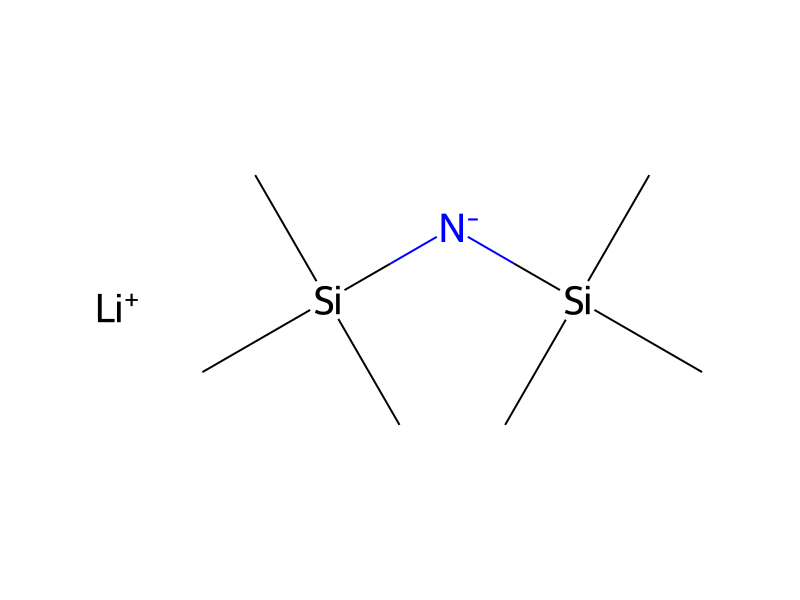
HCID 2733832Lithium hexamethyldisilazaneHCID 27369112,5-Difluorobenzenesulfonyl chlorideHCID 116296072-Chloro-4-methylpyrimidineHCID 15132848Methyl 3-amino-2-chlorobenzoate

Produkt 1

HCID 136342907N-{2-Chloro-3-[(E)-2-(2-chloro-4-pyrimidinyl)-1-hydroxyethenyl]phenyl}-2,5-difluorobenzenesulfonamideAusbeute 23,8 %

Reagenzien, Katalysatoren, Lösungsmittel 2

HCID 1049PyridineLösungsmittelHCID 8028TetrahydrofuranLösungsmittel2×

Versuchsvorschrift

To a solution of methyl 3-amino-2-chlorobenzoate (16.3 g, 88 mmol) in pyridine (150 mL) was added 2,5-difluorobenzenesulfonyl chloride (13.0 ml, 97 mmol) dropwise. The solution was stirred at rt overnight. The crude reaction mixture was concentrated by about half, and ˜200 mL of water was added. A red oil precipitated from the mixture. The oil was separated, and crystallized upon standing. The crystals were collected by vacuum filtration, washed with ether, and dried in vacuo to generate 16.8 g (46.4 mmol, 52.8% yield) as a white powder. LC/MS indicates that the product is a ˜2:1 mixture of the desired product and the bis-sulfonamide. The white powder was dissolved in THF (100 mL), and a 1M solution of LiHMDS in THF (100 mL, 100 mmol) was added. A solution of 2-chloro-4-methylpyrimidine (8.0 g, 62.2 mmol) in THF (10 mL) was added dropwise over 15 minutes. The solution was stirred at 20° C. for an additional 20 minutes, and then the reaction was quenched with MeOH (5 mL). The solvent was removed with a rotary evaporator, and the residue was partitioned between EtOAc and water. The aqueous layer was acidified to pH<9 with saturated aqueous ammonium chloride, and extracted with EtOAc. The combined organic layers were dried over anhydrous NaSO4, filtered, and concentrated to ˜50 mL. The brown solution was passed through a pad of silica gel (eluting with EtOAc) and concentrated to generate the title compound (6.78 g, 14.8 mmol, 16.8% yield) as a yellow powder. MS (ESI): 458.0 [M+H]+.

Aufarbeitung

  1. customThe crude reaction mixture
  2. concentrationwas concentrated by about half, and ˜200 mL of water
  3. additionwas added
  4. customA red oil precipitated from the mixture
  5. customThe oil was separated
  6. customcrystallized
  7. filtrationThe crystals were collected by vacuum filtration
  8. washwashed with ether
  9. customdried in vacuo
  10. additiona ˜2:1 mixture of the desired product
  11. dissolutionThe white powder was dissolved in THF (100 mL)
  12. stirringThe solution was stirred at 20° C. for an additional 20 minutes
  13. customthe reaction was quenched with MeOH (5 mL)
  14. customThe solvent was removed with a rotary evaporator
  15. customthe residue was partitioned between EtOAc and water
  16. extractionextracted with EtOAc
  17. dry with materialThe combined organic layers were dried over anhydrous NaSO4
  18. filtrationfiltered
  19. concentrationconcentrated to ˜50 mL
  20. concentrationconcentrated

Quellen und Nachweise

ORD-Eintrag
ord-768b0001f4014af795d5b07b529590a1
Quelldatensatz
uspto-grants-2016_01
DOI
10.6084/m9.figshare.5104873.v1
Patentnummer
US09233956B2

Notizen zur Reaktion

Auf dieser SeiteKomponentenVersuchsvorschriftAufarbeitungQuellen und NachweiseNotizen zur Reaktion