Perchloric Acid → Methyl 2-(tert-butoxy)-2-(2-phenyl-1,3-thiazol-4-yl)acetate
HRID 590970
Reaktionsgleichung

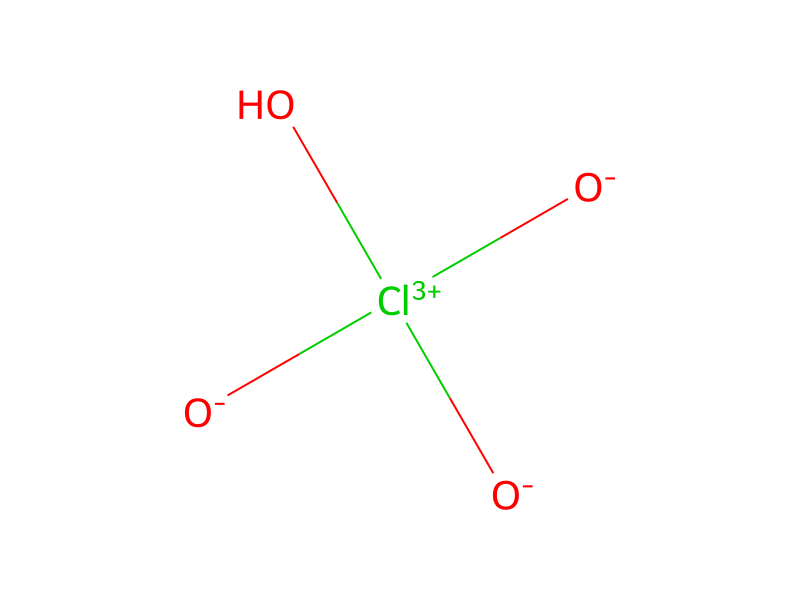
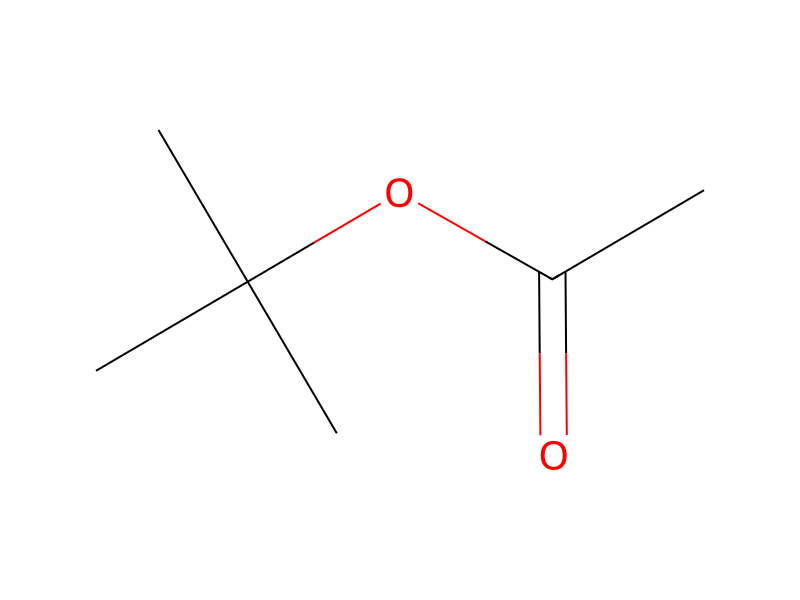
Cl(O)(=O)(=O)=O.[OH:6][CH:7]([C:12]1[N:13]=[C:14]([C:17]2[CH:22]=[CH:21][CH:20]=[CH:19][CH:18]=2)[S:15][CH:16]=1)[C:8]([O:10][CH3:11])=[O:9]>C(OC(C)(C)C)(=O)C>[C:17]([O:6][CH:7]([C:12]1[N:13]=[C:14]([C:17]2[CH:22]=[CH:21][CH:20]=[CH:19][CH:18]=2)[S:15][CH:16]=1)[C:8]([O:10][CH3:11])=[O:9])([CH3:22])([CH3:18])[CH3:14]Komponenten
4
Edukt 2

Produkt 1

Reagenzien, Katalysatoren, Lösungsmittel 1
Versuchsvorschrift
Under a nitrogen atmosphere, perchloric acid (70%, 4 mL) was added at −10° C. to a solution of methyl 2-hydroxy-2-(2-phenyl-1,3-thiazol-4-yl)acetate (6a) (800 mg, 3.2 mmol) in terbutyl acetate (25 mL). After 1 hour, the reaction was quenched with a saturated solution of sodium bicarbonate (20 mL) and extracted with dichloromethane (2×20 mL). The organic layer was washed with brine (10 mL), dried over sodium sulfate, filtered and evaporated under reduced pressure. The residue was purified by flash chromatography on silica gel (cyclohexane/ethyl acetate 80/20) to afford the desired product (6b) as a white pale oil (410 mg, 1.34 mmol, 42%).