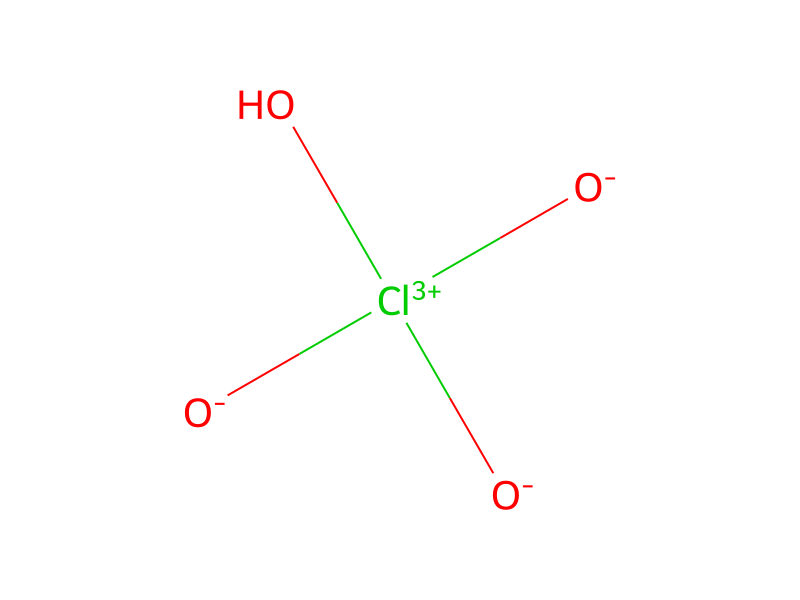
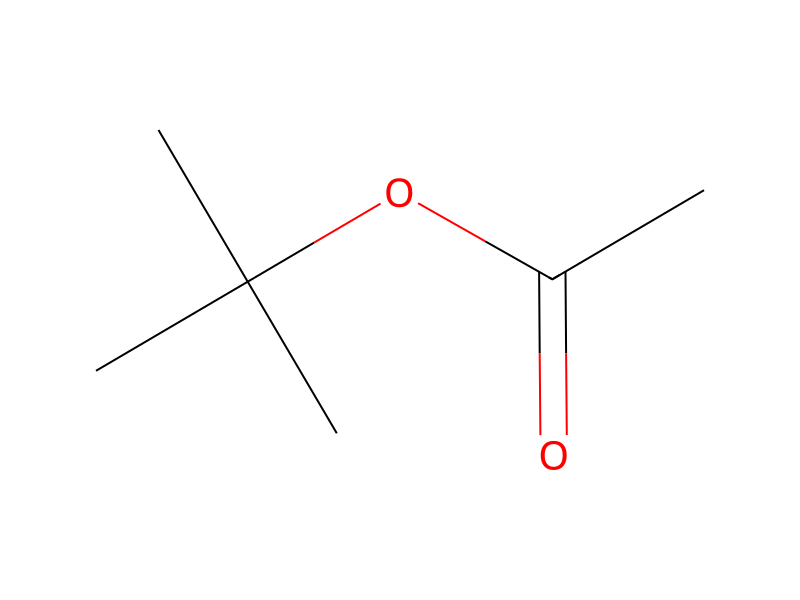
[Br:1][C:2]1[C:6]2=[C:7]3[C:12](=[CH:13][CH:14]=[C:5]2[S:4][C:3]=1[CH:15]([OH:20])[C:16]([O:18][CH3:19])=[O:17])[N:11]=[CH:10][CH:9]=[CH:8]3.Cl(O)(=O)(=O)=O.C(=O)(O)[O-].[Na+]>C(OC(=O)C)(C)(C)C>[Br:1][C:2]1[C:6]2=[C:7]3[C:12](=[CH:13][CH:14]=[C:5]2[S:4][C:3]=1[CH:15]([O:20][C:6]([CH3:7])([CH3:2])[CH3:5])[C:16]([O:18][CH3:19])=[O:17])[N:11]=[CH:10][CH:9]=[CH:8]3To a suspension of methyl 2-{1-bromothieno[3,2-f]quinolin-2-yl}-2-hydroxyacetate (16h) (152 mg, 0.43 mmol) in tert-butylacetate (2.3 mL) at −10° C. was added perchloric acid (69.4 μL). The mixture was stirred at −5° C. for 5 hours and then warmed at room temperature for 1 hour more. The mixture was then basified with a saturated aqueous solution of sodium bicarbonate until pH 8. The aqueous layer was extracted with ethyl acetate. The organic layer was washed with brine, dried over sodium sulfate, filtered and concentrated in vacuo. The residue was purified by 2 preparative TLC (cyclohexane/ethyl acetate 60/40) to afford the desired product (16i) (55 mg, 0.13 mmol, 31%) as beige powder.
Wird geladen…