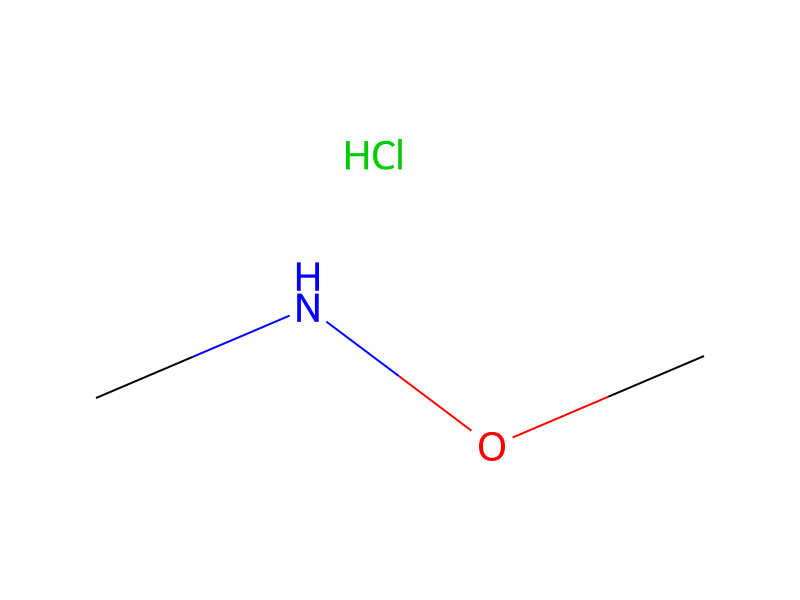
A suspension of 4-chloro-1-difluoromethyl-1H-pyrazole-3-carboxylic acid (880 mg, 4.5 mmol) and N,O-dimethylhydroxylamine hydrochloride (459 mg, 4.7 mmol) in dichloromethane (30 ml) was treated at room temperature with N-methylmorpholine (476 mg, 4.7 mmol). Thereafter, in three portions 1-ethyl-3-(3-dimethylaminopropyl)carbodiimide hydrochloride (901 mg, 4.7 mmol) was added. The solution was stirred at room temperature overnight. For the workup, the reaction mixture was treated dropwise with hydrochloric acid (1M, 30 ml) and stirred for 10 minutes. The organic layer was separated, washed with water, then dried over sodium sulphate and evaporated. The crude material was purified by chromatography on silica gel using a 2:1-mixture of cyclohexane and ethyl acetate as the eluent. The 4-chloro-1-difluoromethyl-1H-pyrazole-3-carboxylic acid methoxy-methyl-amide was obtained as a colourless oil (930 mg, 87%).