StartseiteMCPWorkbenchSkills
StartseiteWorkbenchBenachrichtigungenMein Bereich
llms.txt · MCP-AnleitungDatenschutz · Nutzungsbedingungen · Supportv1.8.0
  1. Startseite
  2. /Reaktion

Dimethylamine → HCID 19600171, Verbindung

HRID 611237
Notizen
Druckvorschau

Reaktionsgleichung

Reaktionsgleichung von HRID 611237
Cl.[O:2]1[C:6]2[CH2:7][NH:8][CH2:9][CH2:10][C:5]=2[CH:4]=[CH:3]1.[Cl:11][C:12]1[CH:17]=[CH:16][C:15]([CH2:18][CH2:19][CH2:20][CH2:21][CH2:22][C:23]([OH:25])=O)=[CH:14][CH:13]=1.[CH2:26]([N:28]([CH2:31]C)[CH2:29]C)C.C(P(=O)(OCC)OCC)#N.CNC.C=O>ClCCl>[Cl:11][C:12]1[CH:17]=[CH:16][C:15]([CH2:18][CH2:19][CH2:20][CH2:21][CH2:22][C:23]([N:8]2[CH2:9][CH2:10][C:5]3[CH:4]=[C:3]([CH2:26][N:28]([CH3:31])[CH3:29])[O:2][C:6]=3[CH2:7]2)=[O:25])=[CH:14][CH:13]=1
KomponentenVersuchsvorschriftAufarbeitungQuellen und NachweiseNotizen zur Reaktion

Komponenten

8

Edukt 6

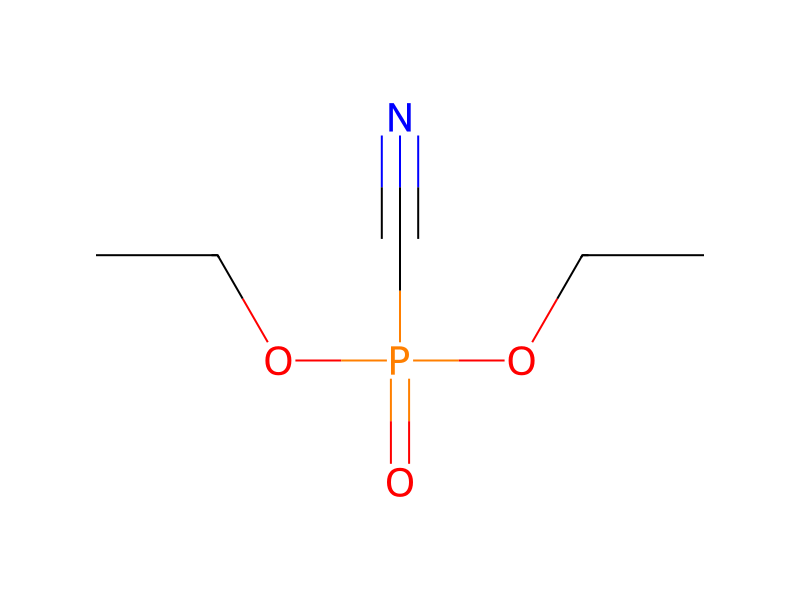
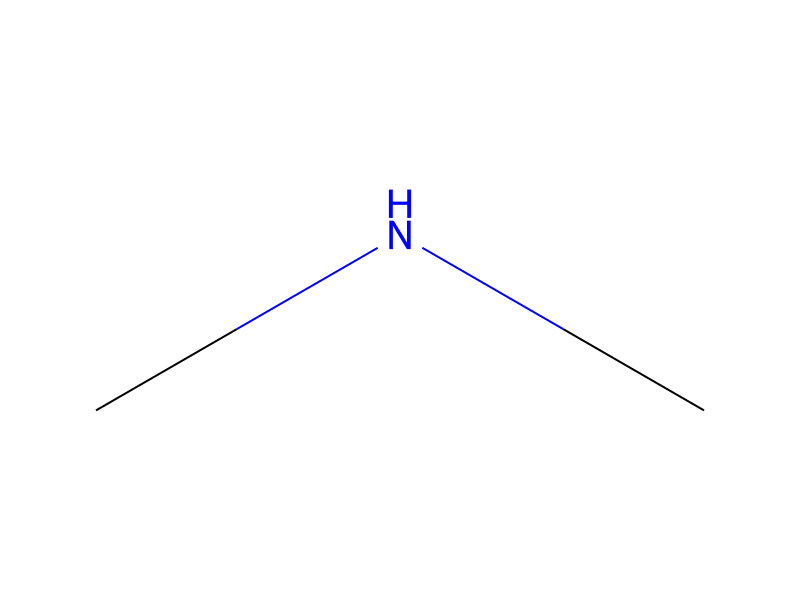
HCID 674DimethylamineHCID 712FormaldehydeHCID 8471TriethylamineHCID 76257Diethyl cyanophosphonateHCID 135034416-(4-Chlorophenyl)hexanoic acidHCID 195999074,5,6,7-Tetrahydrofuro[2,3-c]pyridine hydrochloride

Produkt 1

HCID 19600171
HCID 19600171, Verbindung

Reagenzien, Katalysatoren, Lösungsmittel 1

HCID 6344DichloromethaneLösungsmittel

Versuchsvorschrift

To a solution of 0.319 g (2.000 mmol) of 4,5,6,7-tetrahydrofuro[2,3-c]pyridine hydrochloride, 0.498 g (2.2 mmol) of 6-(4-chlorophenyl)hexanoic acid and 1.1 ml (8.0 mmol) of triethylamine in 30 ml of dichloromethane, 0.489 g (3.0 mmol) of diethyl cyanophosphonate was added dropwise under ice-cooling, followed by overnight stirring at room temperature. After the solvent was distilled off, water was added, followed by 2 extractions with ethyl acetate. The combined organic layer was washed with water and dried over anhydrous sodium sulfate; the solvent was distilled off under reduced pressure. The resulting crude product was dissolved in 10 ml of acetic acid; 0.270 ml (3.00 mmol) of 50% aqueous dimethylamine and 0.245 ml (3.00 mmol) of 37% aqueous formaldehyde were added, followed by stirring at 100° C. for 90 minutes. After the solvent was distilled off under reduced pressure, the residual solution was alkalified with 5% aqueous sodium hydrogen carbonate and extracted with ethyl acetate 2 times. The combined organic layer was washed with water and dried over anhydrous sodium sulfate; the solvent was distilled off under reduced pressure. The resulting crude product was purified by silica gel column chromatography (ethyl acetate/methanol=5/1) to yield the desired product.

Aufarbeitung

  1. temperaturecooling
  2. distillationAfter the solvent was distilled off
  3. additionwater was added
  4. extractionfollowed by 2 extractions with ethyl acetate
  5. washThe combined organic layer was washed with water
  6. dry with materialdried over anhydrous sodium sulfate
  7. distillationthe solvent was distilled off under reduced pressure
  8. dissolutionThe resulting crude product was dissolved in 10 ml of acetic acid
  9. stirringby stirring at 100° C. for 90 minutes
  10. distillationAfter the solvent was distilled off under reduced pressure
  11. extractionextracted with ethyl acetate 2 times
  12. washThe combined organic layer was washed with water
  13. dry with materialdried over anhydrous sodium sulfate
  14. distillationthe solvent was distilled off under reduced pressure
  15. customThe resulting crude product was purified by silica gel column chromatography (ethyl acetate/methanol=5/1)

Quellen und Nachweise

ORD-Eintrag
ord-a49a1e92cd5e45099bd65c5bc10a9739
Quelldatensatz
uspto-grants-1999_12
DOI
10.6084/m9.figshare.5104873.v1
Patentnummer
US05998433

Notizen zur Reaktion

Wird geladen…

Auf dieser SeiteKomponentenVersuchsvorschriftAufarbeitungQuellen und NachweiseNotizen zur Reaktion