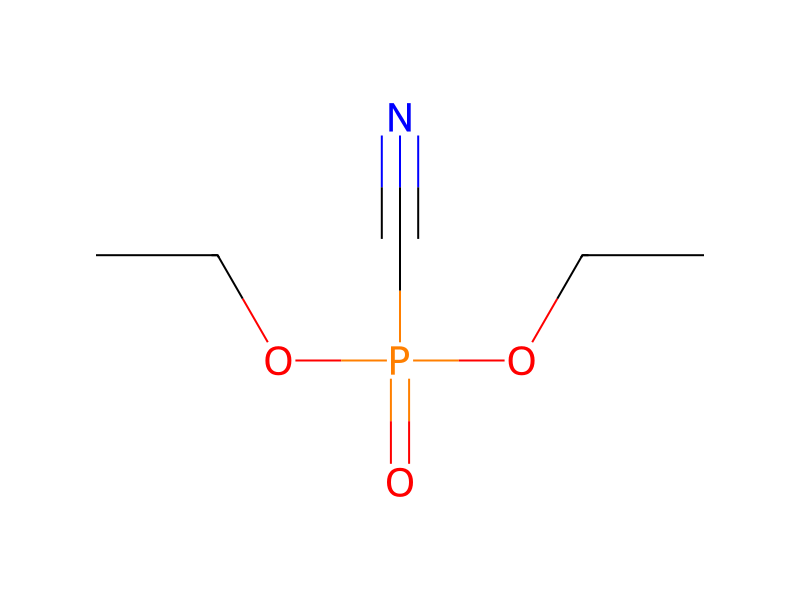
To a solution of 0.165 g (1.034 mmol) of 4,5,6,7-tetrahydrofuro[2,3-c]pyridine hydrochloride, 0.25 g (1.1 mmol) of 4-(2-furoyl)benzoic acid and 0.58 ml (4.1 mmol) of triethylamine in 30 ml of dichloromethane, 0.19 ml (1.2 mmol) of diethyl cyanophosphonate was added dropwise at room temperature, followed by overnight stirring. This mixture was poured into aqueous sodium hydroxide and extracted with ethyl acetate 3 times. The combined organic layer was dried over anhydrous magnesium sulfate; the solvent was distilled off under reduced pressure. The resulting crude product was purified by silica gel column chromatography (hexane/ethyl acetate=3/1 to 2/1) to yield the desired product.