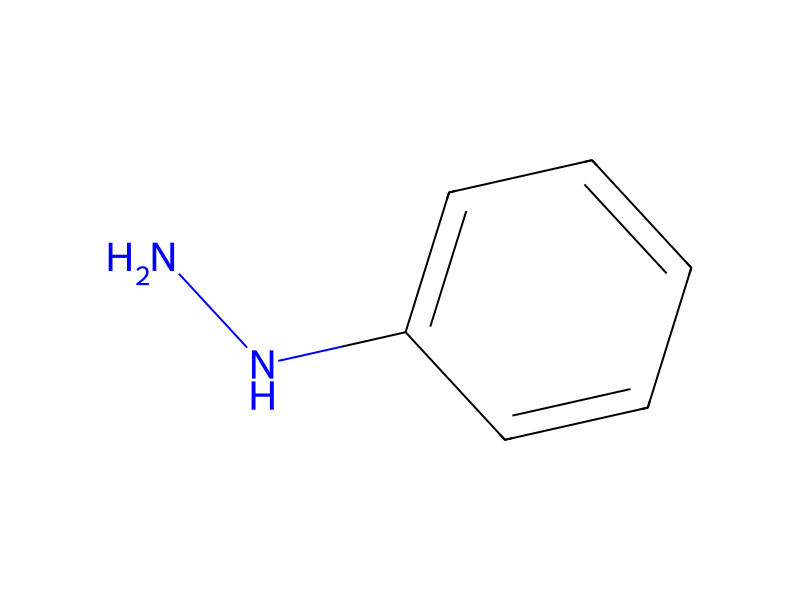
C([O:3][C:4](=[O:19])[CH2:5][CH:6]([C:10](=O)[C:11]1[CH:16]=[CH:15][C:14]([Cl:17])=[CH:13][CH:12]=1)[C:7]([CH3:9])=O)C.[C:20]1([NH:26][NH2:27])[CH:25]=[CH:24][CH:23]=[CH:22][CH:21]=1.C(O)(=O)C>C(O)C>[CH3:9][C:7]1[C:6]([CH2:5][C:4]([OH:3])=[O:19])=[C:10]([C:11]2[CH:12]=[CH:13][C:14]([Cl:17])=[CH:15][CH:16]=2)[N:26]([C:20]2[CH:25]=[CH:24][CH:23]=[CH:22][CH:21]=2)[N:27]=111.5 grams 3-(p-chlorobenzoyl)-levulinic acid ethyl ester, 4.9 grams phenyl-hydrazine, 2.8 grams glacial acetic acid and 10 milliliters ethanol were mixed and the mixture was heated to the boiling temperature under reflux for 3.5 hours. The reaction mixture was evaporated and 100 milliliters benzene were added to the residue. The pH of the solution was adjusted to 3, followed by extraction with water. The benzene phase was evaporated and 30 milliliters ethanol and 20 milliliters 2N aqueous sodium hydroxide added to the residue. The mixture was heated to the boiling temperature under reflux for 1 hour, and thereafter worked up and the free acid recovered in accordance with a procedure analogous to that set out in Example (1b). 9.6 grams 3-methyl-1-phenyl-5-(p-chlorophenyl)pyrazol-4-acetic acid, melting at 174°-177° C., were obtained represeing a yield of 72%.