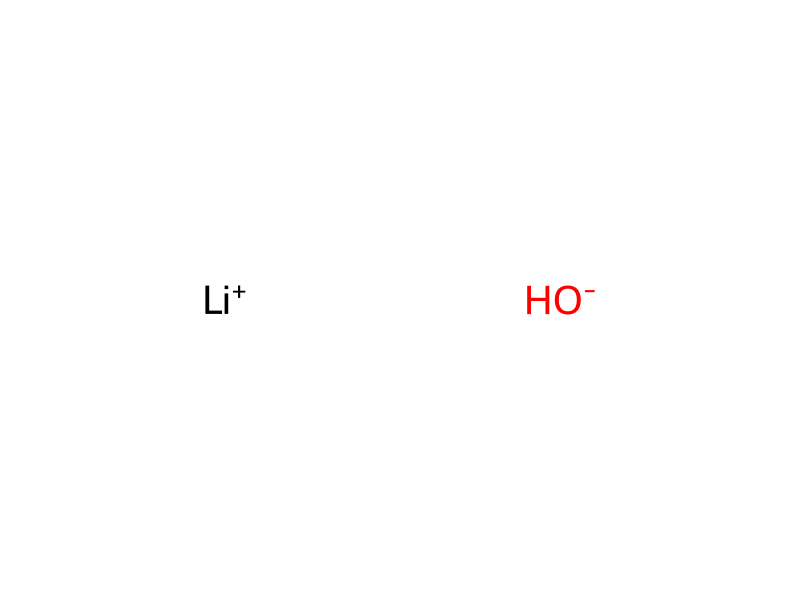
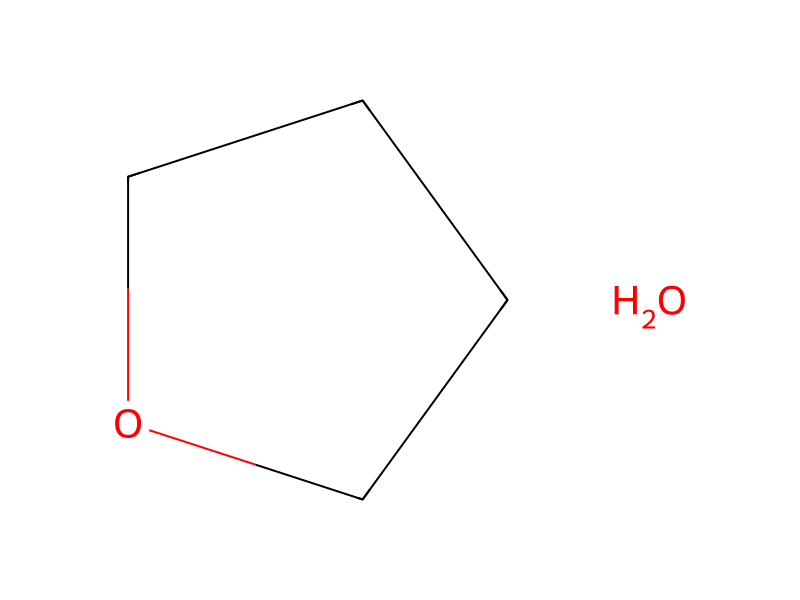
[Cl:1][C:2]1[CH:7]=[C:6]([C:8]2[N:12]=[CH:11][N:10](/[CH:13]=[CH:14]\[C:15]([O:17]C(C)C)=[O:16])[N:9]=2)[CH:5]=[C:4]([O:21][CH:22]([CH3:24])[CH3:23])[N:3]=1.[Li+].[OH-].C(OCC)(=O)C>C1COCC1.O.CCCCCC>[Cl:1][C:2]1[CH:7]=[C:6]([C:8]2[N:12]=[CH:11][N:10](/[CH:13]=[CH:14]\[C:15]([OH:17])=[O:16])[N:9]=2)[CH:5]=[C:4]([O:21][CH:22]([CH3:24])[CH3:23])[N:3]=1In a 250-mL, 2-neck round-bottomed flask equipped with rubber septum, (Z)-isopropyl 3-(3-(2-chloro-6-isopropoxypyridin-4-yl)-1H-1,2,4-triazol-1-yl)acrylate (2.0 g, 1.0 eq.) was dissolved in THF:Water (1:1) (20 mL: 20 mL). To this reaction mixture LiOH (0.478 g, 2 eq.) was added and reaction mixture was stirred at room temperature to 2-3 h. The progress of the reaction was followed by TLC analysis on silica gel with 20% ethyl acetate in hexane as mobile phase. Reaction mixture was quenched in water (500 mL) and acidified using dilute HCl. The aqueous layer was extracted multiple times with ethyl acetate (100 mL×3). The organic layer were washed with saturated brine solution and dried over anhydrous NaSO4. The organic layer was concentrated under reduced pressure to obtain 1.61 g (91.7%) of desired compound.