Ethanol → HCID 13603935, Verbindung
HRID 638274
Reaktionsgleichung

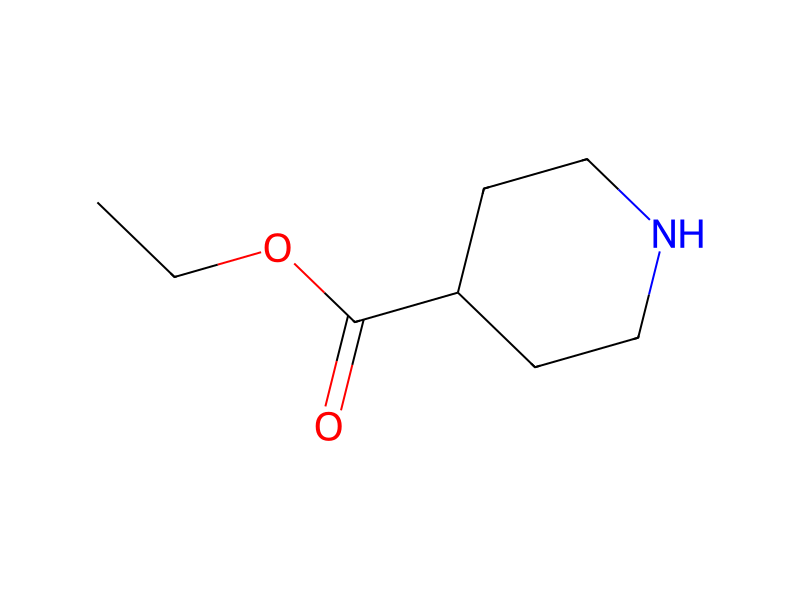
Cl[C:2]1[C:11]2[C:6](=[CH:7][CH:8]=[C:9]([F:12])[CH:10]=2)[N:5]=[C:4]([C:13]2[CH:18]=[CH:17][CH:16]=[CH:15][CH:14]=2)[CH:3]=1.[NH:19]1[CH2:29][CH2:28][CH:22]([C:23]([O:25][CH2:26][CH3:27])=[O:24])[CH2:21][CH2:20]1.C(O)C>O>[CH2:26]([O:25][C:23]([CH:22]1[CH2:28][CH2:29][N:19]([C:2]2[C:11]3[C:6](=[CH:7][CH:8]=[C:9]([F:12])[CH:10]=3)[N:5]=[C:4]([C:13]3[CH:18]=[CH:17][CH:16]=[CH:15][CH:14]=3)[CH:3]=2)[CH2:20][CH2:21]1)=[O:24])[CH3:27]Komponenten
5
Edukt 3


Produkt 1

Reagenzien, Katalysatoren, Lösungsmittel 1

Versuchsvorschrift
A mixture of 9.0 g of 4-chloro-6-fluoro-2-phenylquinoline prepared according to the procedure described in example 9(b) and 18 ml of ethyl isonipecotate was stirred and heated in an oil bath at 160°-165° for 2 hr. It was then cooled and diluted with water. Addition of ethanol caused a solid to form which was collected to give 7.2 g of product as white prisms, mp 120°-124°.