StartseiteMCPWorkbenchSkills
StartseiteWorkbenchBenachrichtigungenMein Bereich
llms.txt · MCP-AnleitungDatenschutz · Nutzungsbedingungen · Supportv1.8.3
  1. Startseite
  2. /Reaktion

Pyridine → HCID 178477710, Verbindung

HRID 64156
Drucken

Reaktionsgleichung

Reaktionsgleichung von HRID 64156
[NH:1]1[CH:5]=[C:4]([C:6]2[CH:7]=[C:8]3[N:14]=[CH:13][N:12]([C:15]4[CH:16]=[C:17]([NH2:29])[CH:18]=[C:19]([C:21]5[CH:26]=[CH:25][C:24]([F:27])=[CH:23][C:22]=5[F:28])[CH:20]=4)[C:9]3=N[CH:11]=2)[N:3]=[N:2]1.N1C=CC=C[CH:31]=1.[CH2:36]([S:38](Cl)(=[O:40])=[O:39])[CH3:37]>C(Cl)Cl>[NH:1]1[CH:5]=[C:4]([C:6]2[CH:11]=[CH:31][C:9]3[N:12]([C:15]4[CH:16]=[C:17]([NH:29][S:38]([CH2:36][CH3:37])(=[O:40])=[O:39])[CH:18]=[C:19]([C:21]5[CH:26]=[CH:25][C:24]([F:27])=[CH:23][C:22]=5[F:28])[CH:20]=4)[CH:13]=[N:14][C:8]=3[CH:7]=2)[N:3]=[N:2]1
KomponentenVersuchsvorschriftAufarbeitungQuellen und NachweiseNotizen zur Reaktion

Komponenten

5

Edukt 3

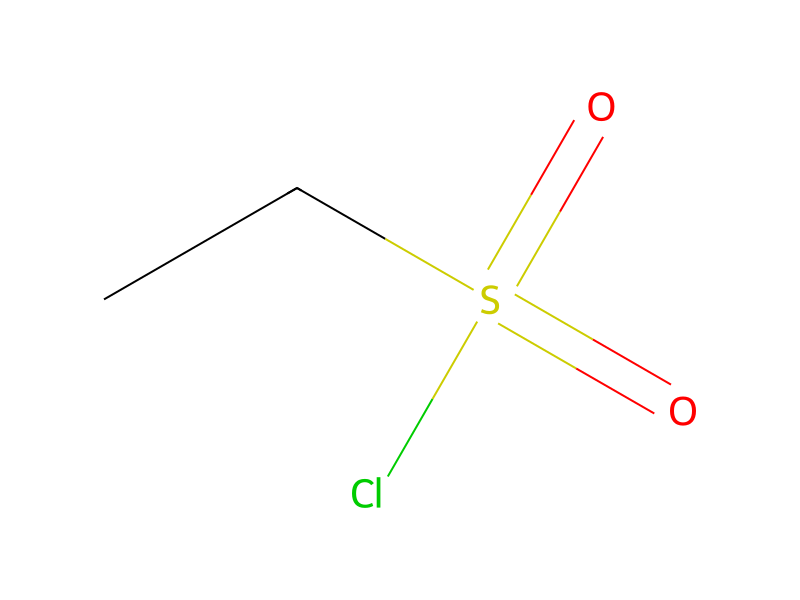
HCID 1049PyridineHCID 11667Ethanesulfonyl chlorideHCID 178507288HCID 178507288, Verbindung

Produkt 1

HCID 178477710HCID 178477710, VerbindungAusbeute 2,3 %

Reagenzien, Katalysatoren, Lösungsmittel 1

HCID 6344DichloromethaneLösungsmittel

Versuchsvorschrift

To a solution of 5-(6-(1H-1,2,3-triazol-4-yl)-3H-imidazo[4,5-b]pyridin-3-yl)-2′,4′-difluoro-[1,1′-biphenyl]-3-amine (70 mg, 0.18 mmol) in DCM was added pyridine (42 mg, 0.54 mmol, 3.0 eq.) followed by ethanesulfonyl chloride (27 mg, 0.216 mmol, 1.2 eq.). The reaction was monitored by LCMS. After completion of the reaction the solvent was distilled off and the crude product was purified by preparative HPLC to give the product in 2.3% yield (2 mg).

Aufarbeitung

  1. customAfter completion of the reaction the solvent
  2. distillationwas distilled off
  3. customthe crude product was purified by preparative HPLC
  4. customto give the product in 2.3% yield (2 mg)

Quellen und Nachweise

ORD-Eintrag
ord-96f84616f81e4bcc954d1697df60a400
Quelldatensatz
uspto-grants-2016_09
DOI
10.6084/m9.figshare.5104873.v1
Patentnummer
US09447091B2

Notizen zur Reaktion

Auf dieser SeiteKomponentenVersuchsvorschriftAufarbeitungQuellen und NachweiseNotizen zur Reaktion