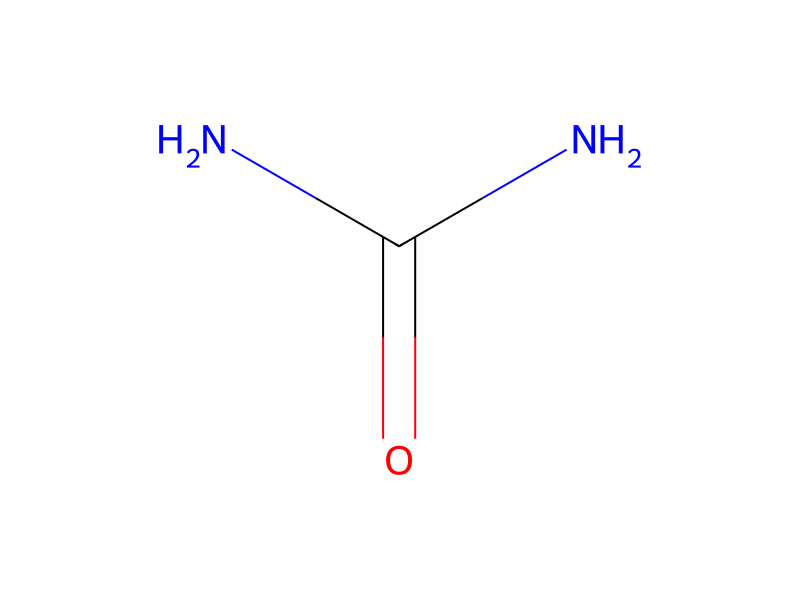
4-Chloro-2-fluoro-5-hydroxyaniline (10 g) was dissolved in conc. hydrochloric acid (130 ml) under heating, and the resultant mixture was cooled to 0° C. To the resulting mixture, there was dropwise added a solution of sodium nitrite (4.5 g) in water (20 ml). After completion of the addition, the mixture was further stirred at 5 to -5° C. for 1 hour, and urea was added thereto, whereby excessive sodium nitrite ion was decomposed. The resulting mixture was cooled to -30° to -25° C., and a solution of anhydrous stannous chloride (20.5 g) in conc. hydrochloric acid (40 ml) was added thereto, followed by stirring at -10° to 0° C. for 3 hours. The precipitated crystals were collected by filtration, washed with a small amount of water and dissolved in a 10% aqueous sodium hydroxide solution. The resultant solution was adjusted to pH 7 and extracted with ethyl acetate. The extract was dried and concentrated. The crystallized residue was washed with ether to obtain 1 g of 4-chloro-2-fluoro-5-hydroxyphenylhydrazine. m.p., 149°-150° C. (decomp.).