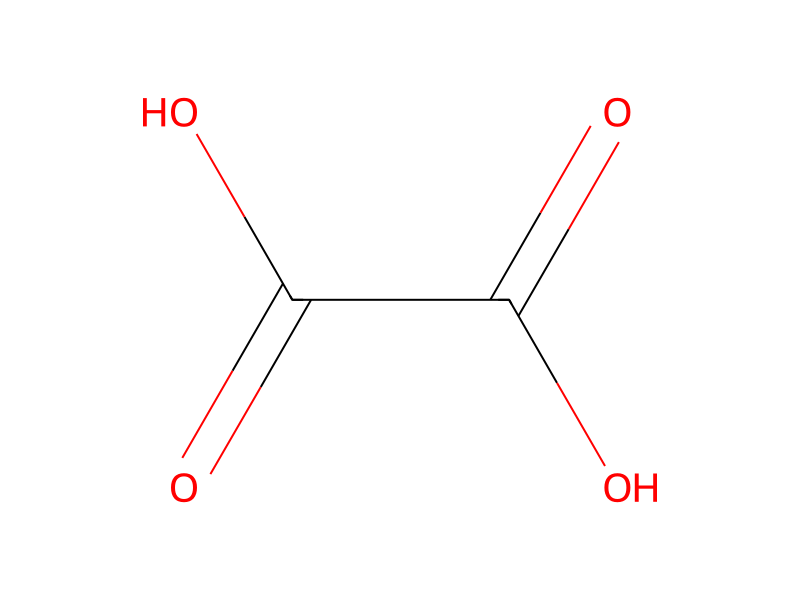
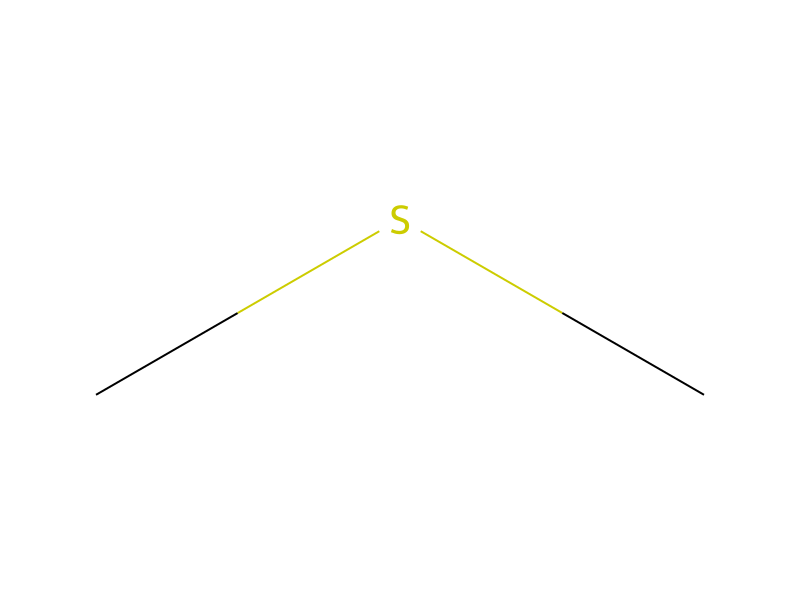
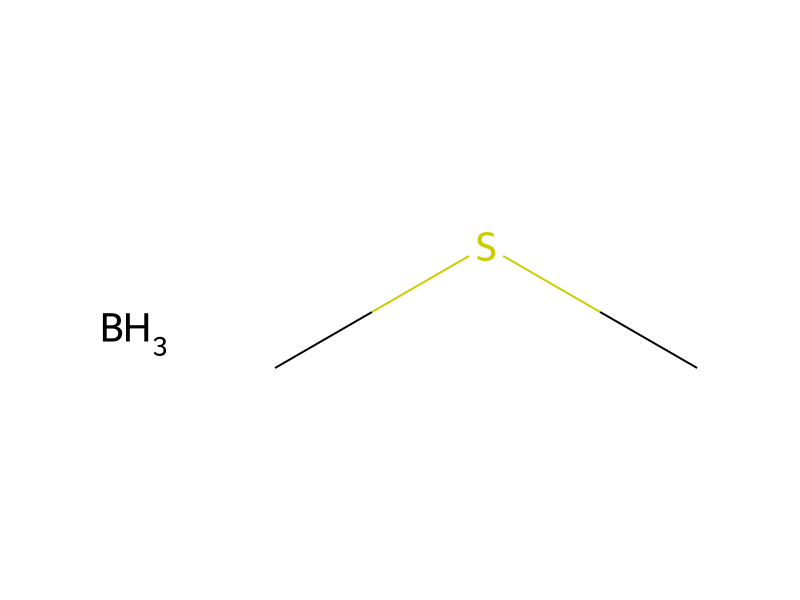
Under nitrogen, a suspension of 5,6-dihydro-4-[2-(acetamido)ethoxy]thieno[2,3-b]thiopyran-2-sulfonamide-7,7-dioxide (2.0 g, 0.0054 mole) in THF (50 ml) was heated to just barely refluxing. Borane methyl sulfide (1.6 ml of 10M solution) was introduced dropwise while methyl sulfide was distilled. Heating was continued for 30 minutes with slow distillaion of THF. The mixture then was evaporated to dryness in vacuo. The residue was treated cautiously with 6N HCl (25 ml). The resulting solution was heated at reflux for 1 hour and then evaporated to dryness in vacuo. The residual oily product was chromatographed on a column of silica gel, the product being eluted with 80 chloroform: 20 methanol: 2 conc. NH4OH (v/v/v). Evaporation of the eluant left the product as a colorless glass that was dried at 46° C. under high vacuum for 20 hours; 1.2 g (63%). The product was converted to the hydrogen oxalate salt by treatment of a solution in absolute ethanol (12 ml) with a solution of oxalic acid (1 equiv.) in ether (25 ml), yield, 1.2 g, m.p. dec. 219°-221° C.