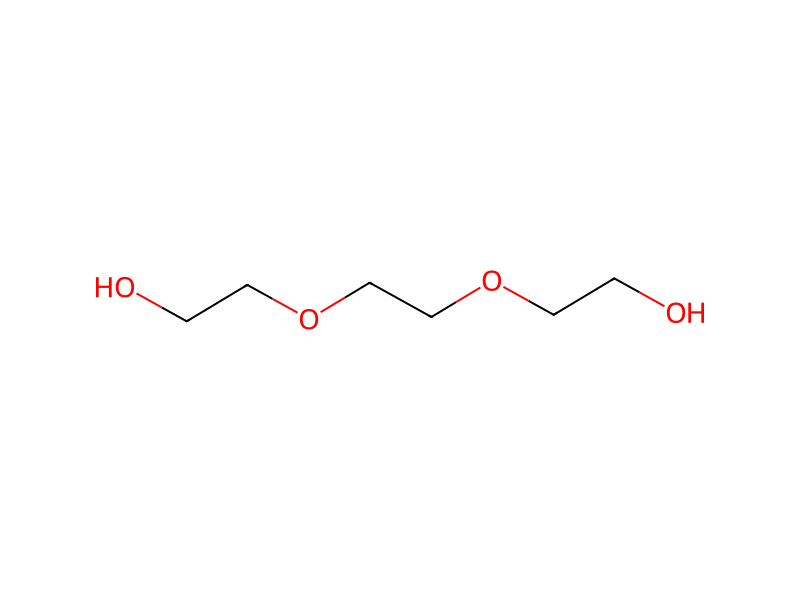
[CH2:1]([C:8]1[CH:13]=[CH:12][C:11](CC(N2CCOCC2)=S)=[CH:10][CH:9]=1)[CH2:2][CH2:3][CH2:4][CH2:5][CH2:6][CH3:7].C(O)COCCO[CH2:29][CH2:30][OH:31].[OH-:33].[K+].Cl>O>[CH2:1]([C:8]1[CH:9]=[CH:10][C:11]([CH2:29][C:30]([OH:31])=[O:33])=[CH:12][CH:13]=1)[CH2:2][CH2:3][CH2:4][CH2:5][CH2:6][CH3:7]To 56.1 g of the 4-[2-(4-heptylphenyl)-1-thioxoethyl]morpholine thus obtained, were added 300 ml of triethylene glycol, 50 ml of water and 37.3 g of potassium hydroxide. The resulting mixture was heated under reflux for six hours and then allowed to cool to room temperature. Then 10% hydrochloric acid was added thereto by portions until the pH value of the solution became slightly acidic. The reaction product was extracted with 300 ml of ethyl acetate and the organic layer was washed with water until the aqueous layer became neutral. Then the organic layer was separated and dried over anhydrous sodium sulfate. After distilling off the solvent, the residue was recrystallized from hexane. Thus 28.0 g of p-heptylphenylacetic acid was obtained. Yield: 18%.