StartseiteMCPWorkbenchSkills
StartseiteWorkbenchBenachrichtigungenMein Bereich
llms.txt · MCP-AnleitungDatenschutz · Nutzungsbedingungen · Supportv1.8.0
  1. Startseite
  2. /Reaktion

Benzaldehyde → trans-4-Methoxycarbonyl-5-phenyl-2-oxazoline

HRID 653822
Notizen
Druckvorschau

Reaktionsgleichung

Reaktionsgleichung von HRID 653822
C(N)C.[N+:4]([CH2:6][C:7]([O:9][CH3:10])=[O:8])#[C-:5].[CH:11](=[O:18])[C:12]1[CH:17]=[CH:16][CH:15]=[CH:14][CH:13]=1.CCCCCC.C(OCC)(=O)C>ClCCl.N#N>[CH3:10][O:9][C:7]([C@H:6]1[C@H:11]([C:12]2[CH:17]=[CH:16][CH:15]=[CH:14][CH:13]=2)[O:18][CH:5]=[N:4]1)=[O:8]
KomponentenVersuchsvorschriftAufarbeitungQuellen und NachweiseNotizen zur Reaktion

Komponenten

7

Edukt 4

HCID 240BenzaldehydeHCID 6341EthylamineHCID 547815Methyl isocyanoacetateHCID 21226206Ethyl acetate hexane

Produkt 1

HCID 11195076trans-4-Methoxycarbonyl-5-phenyl-2-oxazolineAusbeute 84,6 %

Reagenzien, Katalysatoren, Lösungsmittel 2

HCID 947
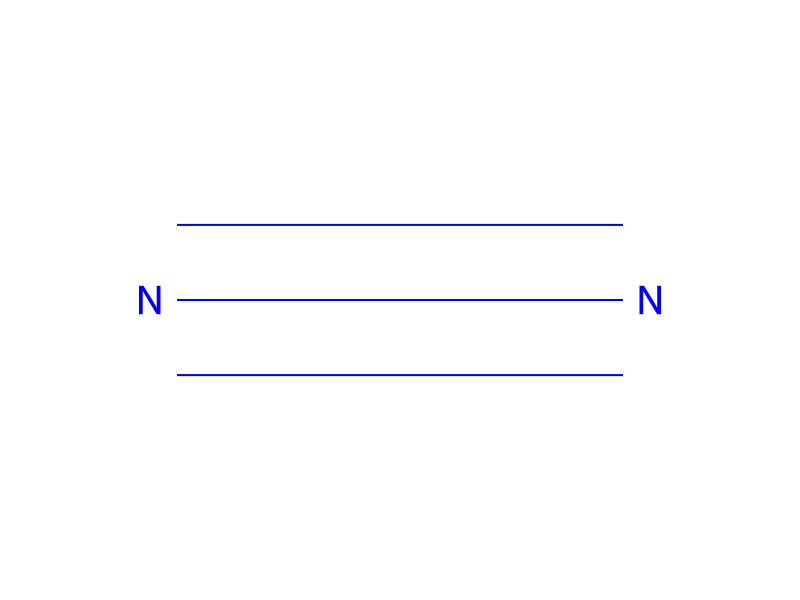
Nitrogen
Lösungsmittel
HCID 6344DichloromethaneLösungsmittel

Versuchsvorschrift

27.5 mg (0.055 mmol) of bis(cyclohexylisocyanide)-gold tetrafluoroborate, 39.7 mg (0.056 mmol) of (R)-N-methyl-N-[2-(diethylamino)-ethyl]-1-[(S)-1',2bis(-ethylamine and 0.549 g (5.54 mmol) of methyl isocyano-acetate were dissolved in 5.5 ml of dry dichloromethane, and 0.642 g (6.05 mmol) of benzaldehyde was added thereto. The reaction mixture was reacted for 20 hours at 25° C in N2 atmosphere. After the solvent was concentrated, the residue formed was subjected to silica-gel column chromatography (solvent: hexane/ethyl acetate =1/2) to obtain 0.96 mg (84.6%) of trans-4-methoxycarbonyl-5- phenyl-2-oxazoline and 0.12 g (10.4%) of the corresponding cis-form.

Aufarbeitung

  1. concentrationAfter the solvent was concentrated
  2. customthe residue formed

Quellen und Nachweise

ORD-Eintrag
ord-e732476da88f45138eac23e933cb4f0c
Quelldatensatz
uspto-grants-1992_07
DOI
10.6084/m9.figshare.5104873.v1
Patentnummer
US05128478

Notizen zur Reaktion

Wird geladen…

Auf dieser SeiteKomponentenVersuchsvorschriftAufarbeitungQuellen und NachweiseNotizen zur Reaktion