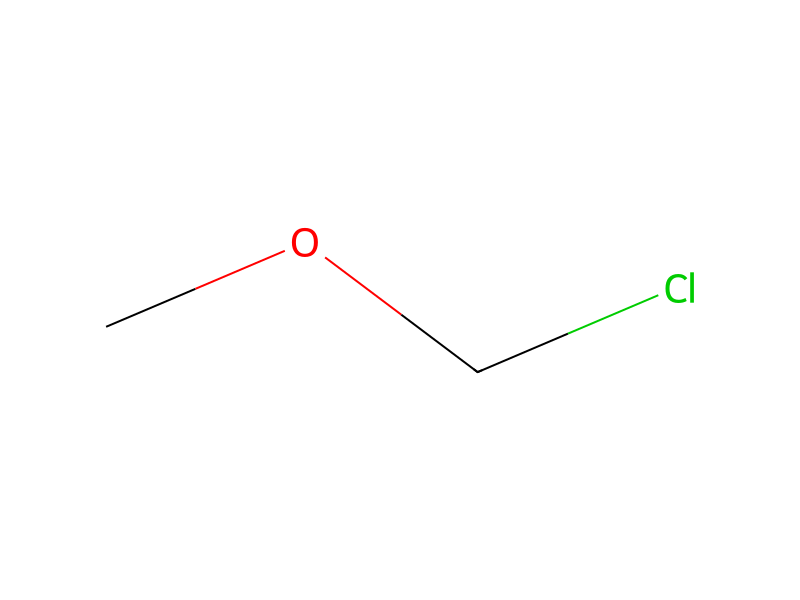
Chloromethyl Methyl Ether → 3-(4-Fluoro-phenyl)-1-methoxymethoxy-2-pyridin-4-yl-1H-pyrrolo[3,2-b]pyridine
HRID 659946
Reaktionsgleichung

[H-].[Na+].[F:3][C:4]1[CH:9]=[CH:8][C:7]([C:10]2[C:14]3=[N:15][CH:16]=[CH:17][CH:18]=[C:13]3[N:12]([OH:19])[C:11]=2[C:20]2[CH:25]=[CH:24][N:23]=[CH:22][CH:21]=2)=[CH:6][CH:5]=1.[CH3:26][O:27][CH2:28]Cl.[Cl-].[NH4+]>CN(C)C=O>[F:3][C:4]1[CH:5]=[CH:6][C:7]([C:10]2[C:14]3=[N:15][CH:16]=[CH:17][CH:18]=[C:13]3[N:12]([O:19][CH2:26][O:27][CH3:28])[C:11]=2[C:20]2[CH:21]=[CH:22][N:23]=[CH:24][CH:25]=2)=[CH:8][CH:9]=1Komponenten
6