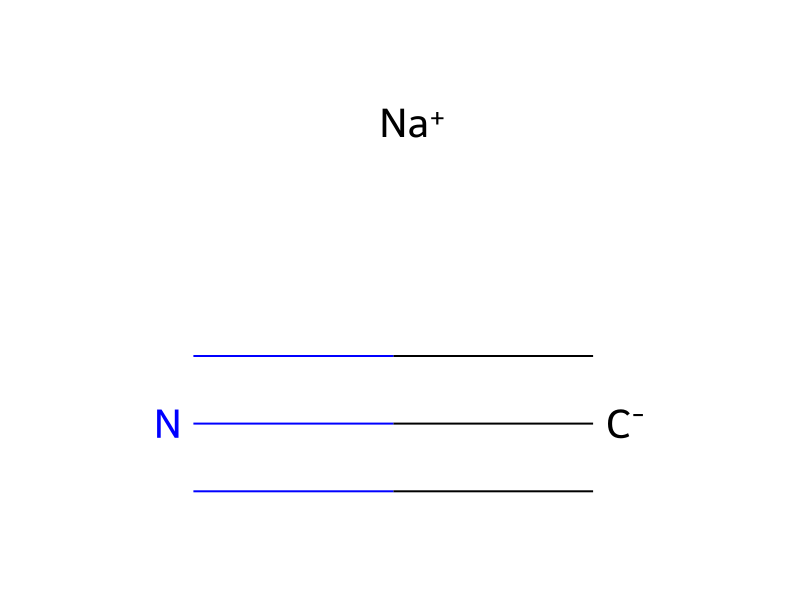
In 120 ml of dimethylformamide, 9 g of 90% pure 2-benzylthio-7-iodo-5H-1,3,4-thiadiazolo[3,2-a]pyrimidin-5-one was dissolved, and 3.05 g of cuprous cyanide and 1.57 g of sodium cyanide were added thereto. The reaction mixture was heated to 100° C. and stirred at that temperature for 1 hour. After the reaction was finished, the reaction mixture was cooled, diluted with water and extracted with chloroform. The organic layer was washed with water, and the chloroform was distilled off. Water was added to the residue and the mixture was extracted with toluene. The organic layer was washed with water and dried over anhydrous sodium sulfate. Florisil® was added to the dried organic layer, and the organic layer was shaken well. After the Florisil® was separated, the solvent was distilled off, and thus 3.0 g of 2-benzylthio-7-cyano-5H-1,3,4-thiadiazolo[3,2-a]pyrimidin-5-one was obtained. Yield 50%. (Florisil® (a registered trademark of Floridin Company) is a highly selective magnesium silicate absorbent.)