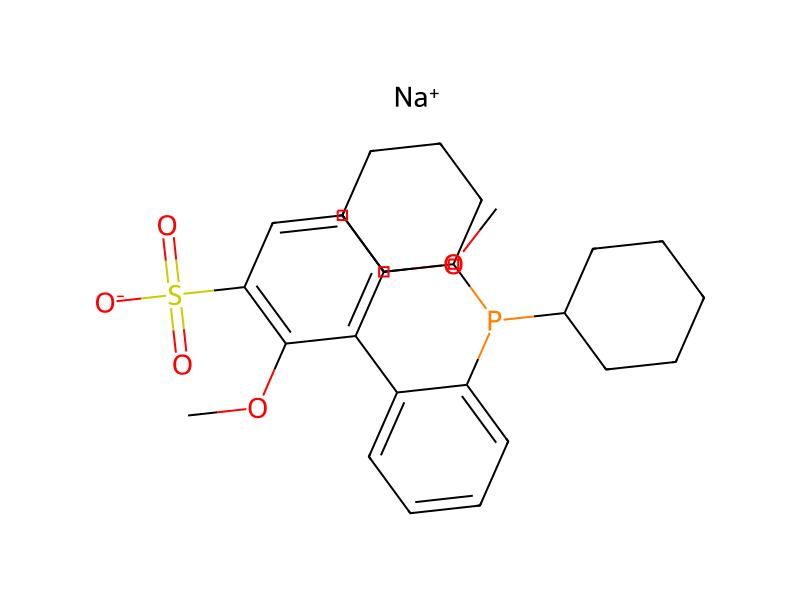
A first flask was charged with 1,4-dioxane/H2O (50 mL/10 mL). The flask was cooled to 0° C. and vacuum was applied for 20 minutes. A second flask was charged with ethyl 6-chloropicolinate (4.200 g, 22.63 mmol), potassium isopropenyltrifluoroborate (4.353 g, 29.42 mmol), K2CO3 (4.378 g, 31.68 mmol), diacetoxypalladium (0.1524 g, 0.6789 mmol) and sodium 2′-(dicyclohexylphosphino)-2,6-dimethoxybiphenyl-3-sulfonate (0.6959 g, 1.358 mmol). The flask was also evacuated with vacuum and back filled with N2 three times. The cold degassed dioxane/H2O solution was added to the second flask, which was evacuated with vacuum and back filled with argon five times. The reaction mixture was then heated to 80° C. for 3 hours. The reaction was cooled to ambient temperature, filtered and concentrated under reduced pressure. The residue was diluted with EtOAc (200 mL), washed with saturated NaHCO3, dried (Na2SO4) and concentrated to give the desired product, which was used without further purification.