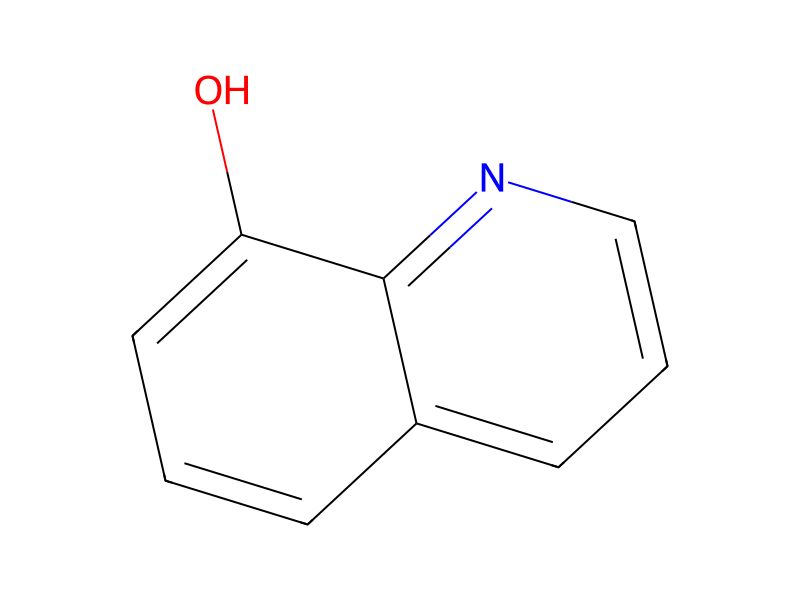
A suspension of 4-bromo-2-nitroaniline (4.34 g, 20 mmol), 4-methylimidazole (1.97 g, 24 mmol), K2CO3 (3.04 g, 22 mmol), CuI (0.57 g, 3 mmol) and 8-hydroxyquinoline (0.44 g, 3 mmol) in 20 mL DMSO was stirred at 120° C. in a sealed tube under Ar2 for 29 hrs. The mixture was cooled down to rt and 28% aqueous ammonia (10 mL) was added and then H2O and EtOAc were added. The aqueous layer was extracted with EtOAc (80 mL×3) and the organic layer was washed with brine, dried with Na2SO4, after filtration, the filtrate was evaporated in vacuo and the residue was washed with PE/EtOAc to give 2.47 g product as a red solid (56.6%). 1H NMR (300 MHz, DMSO-d6) δ: 8.03 (1 H, d, J=2.1 Hz), 7.64-7.68 (1 H, dd, J=2.1 and 9.0 Hz), 7.53 (2 H, brs), 7.10-7.13 (1 H, d, J=9.0 Hz), 2.12 (3 H, s). LCMS: m/z [M+H]+ 219.0895.