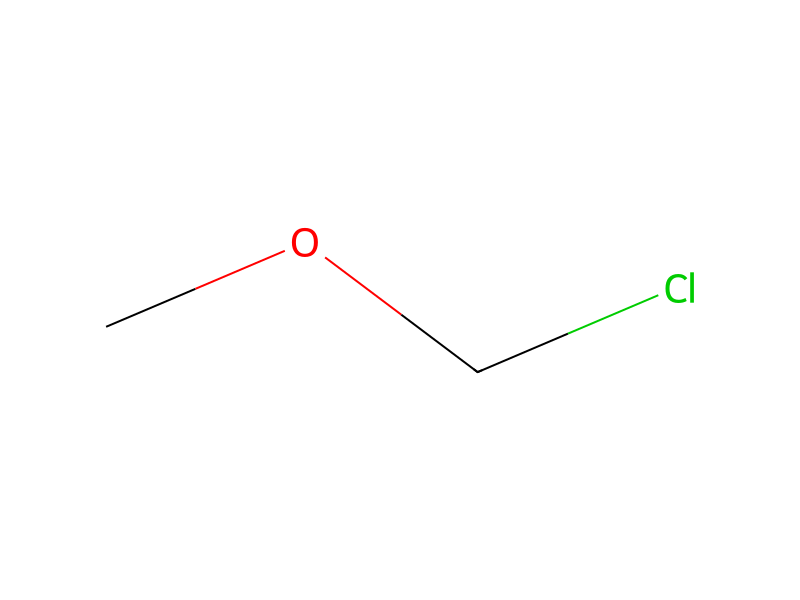
To a suspension of 5-bromopyridine-2,3-diol (9.4 g, 49.5 mmol) in DMF (165 ml) at 0° C. was added sodium hydride (1.18 g, 29.5 mmol) portion-wise and the reaction stirred for one hour at this temperature. Methoxymethyl chloride (3.8 ml, 49.5 mmol) was then added and the reaction stirred for a further 2 hours at 0° C. Sodium hydride (1.18 g, 29.5 mmol) was added and the reaction stirred for an hour at 0° C. before a further portion of methoxymethyl chloride (3.8 ml, 49.5 mmol) was added and the whole was allowed to warm and stirred for 16 hours. Upon cooling to room temperature the mixture was poured into cold saturated aqueous sodium carbonate solution. The organic materials were extracted into ethyl acetate and the layers separated before the aqueous phase, was extracted with ethyl acetate and the combined organics were then washed with brine (×7), dried (MgSO4) and concentrated in vacuo. The crude product was purified by column chromatography (SiO2; 0-100% ethyl acetate/petrol) to yield 5-bromo-2,3-bis(methoxymethoxy)pyridine (7.03 g, 51%).