Dichloromethane → 4-(1-isobutyl-1H-pyrazol-4-yl)aniline
Reaktionsgleichung

Br[C:2]1[CH:8]=[CH:7][C:5]([NH2:6])=[CH:4][CH:3]=1.[CH2:9]([N:13]1[CH:17]=[C:16](B2OC(C)(C)C(C)(C)O2)[CH:15]=[N:14]1)[CH:10]([CH3:12])[CH3:11].ClCCl.C(=O)([O-])[O-].[Na+].[Na+]>C1C=CC(P(C2C=CC=CC=2)[C-]2C=CC=C2)=CC=1.C1C=CC(P(C2C=CC=CC=2)[C-]2C=CC=C2)=CC=1.Cl[Pd]Cl.[Fe+2].O1CCCC1.O.CO>[CH2:9]([N:13]1[CH:17]=[C:16]([C:2]2[CH:8]=[CH:7][C:5]([NH2:6])=[CH:4][CH:3]=2)[CH:15]=[N:14]1)[CH:10]([CH3:12])[CH3:11]Komponenten
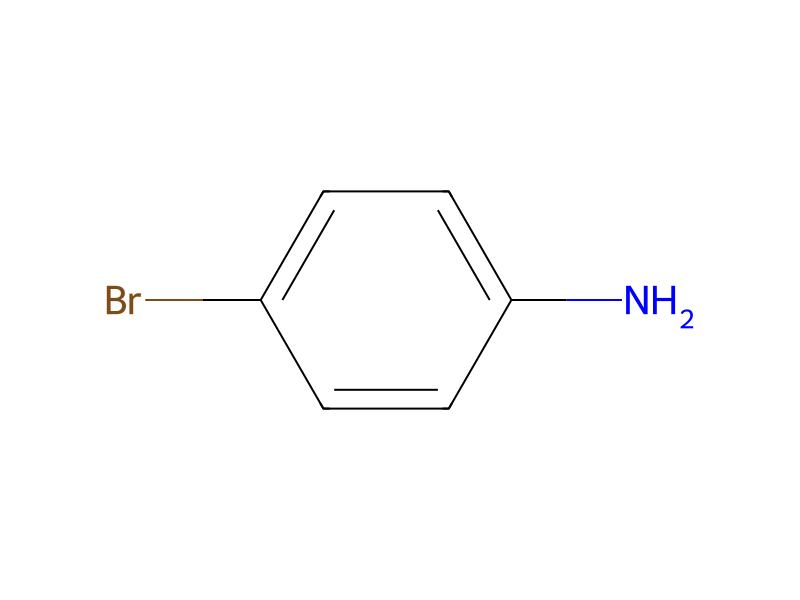
Edukt 4



Produkt 1

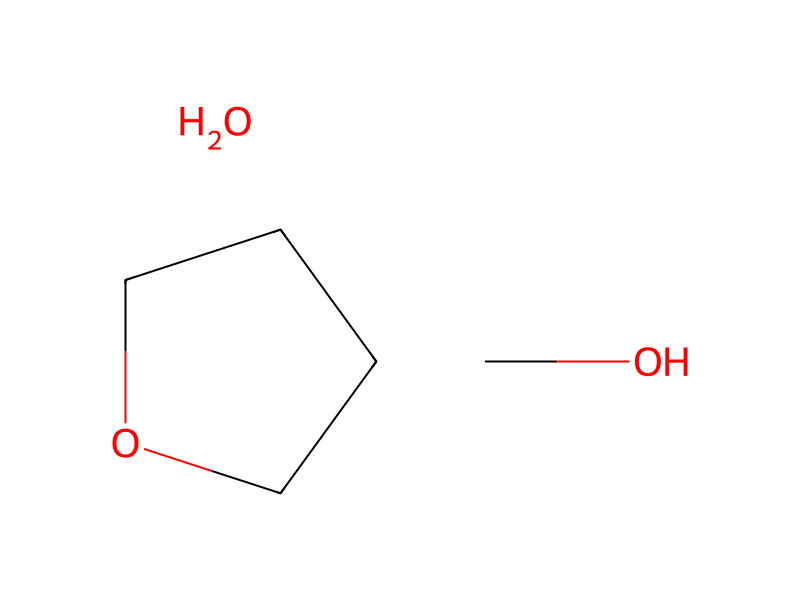
Reagenzien, Katalysatoren, Lösungsmittel 2

Reaktionsbedingungen
- Temperatur
- 85 °C
Versuchsvorschrift
A suspension of 4-bromoaniline (406 mg, 2.362 mmol), 1-isobutyl-4-(4,4,5,5-tetramethyl-1,3,2-dioxaborolan-2-yl)-1H-pyrazole (650 mg, 2.60 mmol), [1,1′-bis(diphenylphosphino)ferrocene]dichloropalladium(II), complex with dichloromethane (57.9 mg, 0.071 mmol) and sodium carbonate (526 mg, 4.96 mmol) in a 6:2:1 mixture of tetrahydrofuran/water/methanol (12 ml) in a microwave vial was subjected to three vacuum/nitrogen purge cycles. The vial was sealed and heated in an oil bath at 85° C. overnight. The mixture was dissolved in a mixture of ethyl acetate (45 ml) and water (20 ml), and the separated aqueous layer was extracted with ethyl acetate (20 ml). The combined organic layers were washed with brine (20 ml), dried with magnesium sulfate, filtered and concentrated. Normal phase chromatography provided the title compound.
Aufarbeitung
- custompurge cycles
- customThe vial was sealed
- dissolutionThe mixture was dissolved in a mixture of ethyl acetate (45 ml) and water (20 ml)
- extractionthe separated aqueous layer was extracted with ethyl acetate (20 ml)
- washThe combined organic layers were washed with brine (20 ml)
- dry with materialdried with magnesium sulfate
- filtrationfiltered
- concentrationconcentrated
Quellen und Nachweise
- ORD-Eintrag
- ord-5d78eb3e48f04417a3cc7dc49f97917f
- Quelldatensatz
- uspto-grants-2015_11
- Patentnummer
- US09187472B2
Notizen zur Reaktion
Wird geladen…