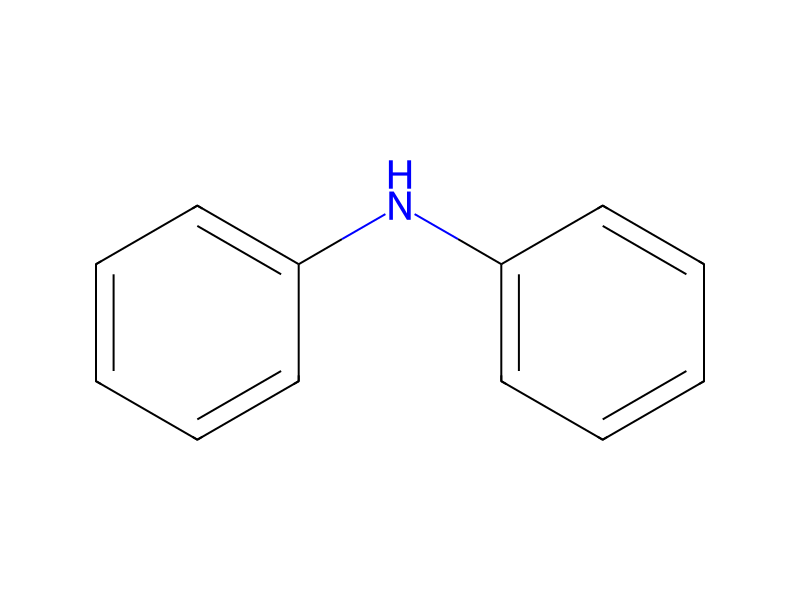
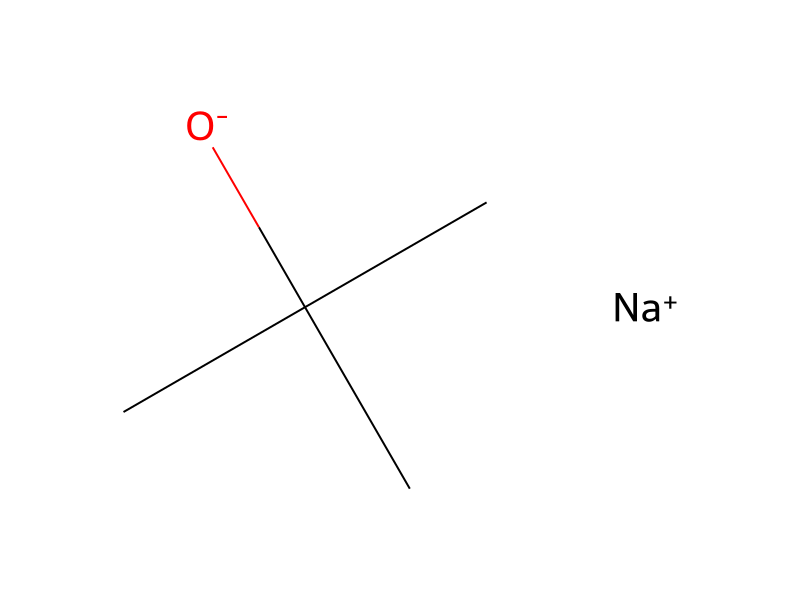
1,3-Dibromobenzene → 3-Bromo-N,N-diphenylaniline
HRID 716593
Reaktionsgleichung

[C:1]1([NH:7][C:8]2[CH:13]=[CH:12][CH:11]=[CH:10][CH:9]=2)[CH:6]=[CH:5][CH:4]=[CH:3][CH:2]=1.Br[C:15]1[CH:20]=[CH:19][CH:18]=[C:17]([Br:21])[CH:16]=1.CC([O-])(C)C.[Na+]>C1(C)C=CC=CC=1.CC([O-])=O.CC([O-])=O.[Pd+2].C1(P(C2C=CC=CC=2)C2C=CC=CC=2)C=CC=CC=1>[Br:21][C:17]1[CH:16]=[C:15]([CH:20]=[CH:19][CH:18]=1)[N:7]([C:8]1[CH:9]=[CH:10][CH:11]=[CH:12][CH:13]=1)[C:1]1[CH:6]=[CH:5][CH:4]=[CH:3][CH:2]=1Komponenten
7