Malonic Acid → (2Z)-3-[2-(benzyloxy)-3-methylphenyl]prop-2-enoic acid
HRID 717386
Reaktionsgleichung

[CH2:1]([O:8][C:9]1[C:16]([CH3:17])=[CH:15][CH:14]=[CH:13][C:10]=1[CH:11]=O)[C:2]1[CH:7]=[CH:6][CH:5]=[CH:4][CH:3]=1.C(O)(=O)[CH2:19][C:20]([OH:22])=[O:21].N1CCCCC1>N1C=CC=CC=1>[CH2:1]([O:8][C:9]1[C:16]([CH3:17])=[CH:15][CH:14]=[CH:13][C:10]=1/[CH:11]=[CH:19]\[C:20]([OH:22])=[O:21])[C:2]1[CH:7]=[CH:6][CH:5]=[CH:4][CH:3]=1Komponenten
5
Edukt 3


Produkt 1

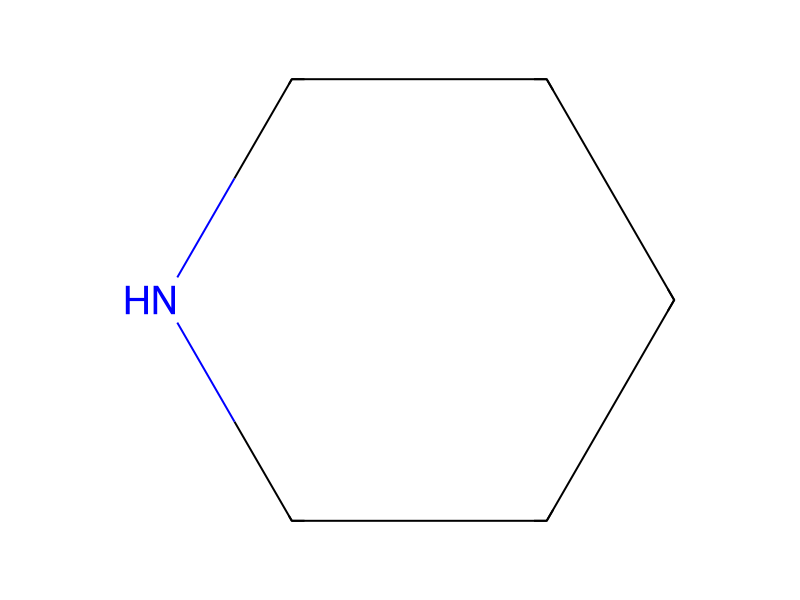
Reagenzien, Katalysatoren, Lösungsmittel 1

Versuchsvorschrift
Into a 500-mL 3-necked round-bottom flask purged and maintained with an inert atmosphere of nitrogen, was placed 2-(benzyloxy)-3-methylbenzaldehyde (20 g, 88.39 mmol, 1.00 equiv), propanedioic acid (27.6 g, 265.23 mmol, 3.00 equiv), piperidine (1.5 g, 17.62 mmol, 0.20 equiv) and pyridine (200 mL). The resulting solution was heated to reflux for 2 h in an oil bath. The reaction was then quenched by the addition of 1.5 L of water/ice. The pH value of the solution was adjusted to 2-3 with hydrogen chloride. The solids were collected by filtration. The filter cake was washed with 2×500 mL of water and 2×500 mL of hexane. This resulted in 21 g (89%) of (2Z)-3-[2-(benzyloxy)-3-methylphenyl]prop-2-enoic acid as a white solid. MS (ESI) m/z 269 ([M+H]+).