Hydrochloric Acid → 5-Amino-3,4-dihydronaphthalen-1(2H)-one
Reaktionsgleichung

[CH2:1]1[CH2:11][C:9](=[O:10])[C:8]2[C:3](=[CH:4][CH:5]=[CH:6][CH:7]=2)[CH2:2]1.[NH2:12][C:13]1[CH:22]=[CH:21][CH:20]=[C:19]2[C:14]=1[CH2:15][CH2:16][CH2:17][C:18]2=[O:23].N([O-])=O.[Na+].[ClH:28]>O.[Cu]Cl>[NH2:12][C:13]1[CH:22]=[CH:21][CH:20]=[C:19]2[C:14]=1[CH2:15][CH2:16][CH2:17][C:18]2=[O:23].[Cl:28][C:4]1[CH:5]=[CH:6][CH:7]=[C:8]2[C:3]=1[CH2:2][CH2:1][CH2:11][C:9]2=[O:10]Komponenten
8
Edukt 4

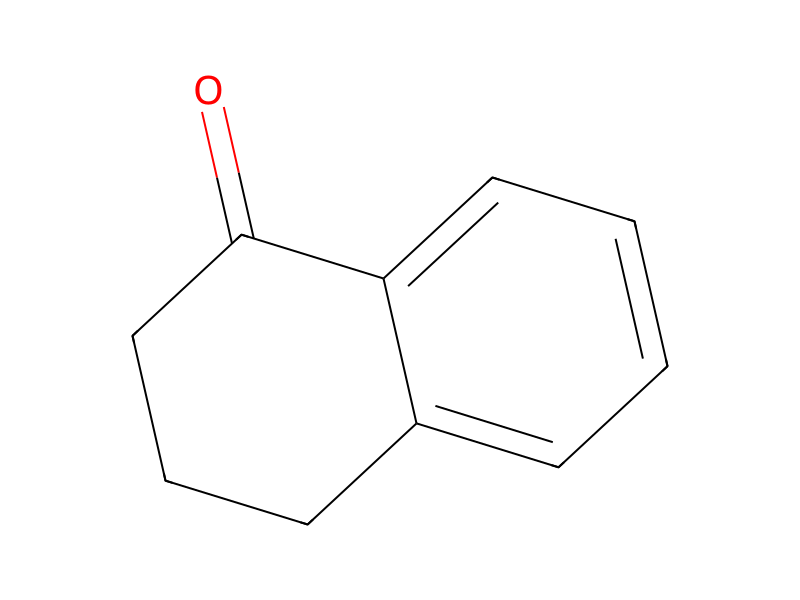


Produkt 2

Reagenzien, Katalysatoren, Lösungsmittel 2


Reaktionsbedingungen
- Temperatur
- 0 °C
Versuchsvorschrift
5-Amino-1-tetralone was prepared from α-tetralone according to the literature (J. Am. Chem. Soc. 1994, p4852). A mixture of 5-amino-1-tetralone (80 mg) and concentrated hydrochloric acid (1 mL) was cooled to 0° C. A solution of sodium nitrite (35 mg) in water (0.5 mL) was added dropwise to the stirring solution. The cold diazonium solution was then poured rapidly onto a stirring solution of copper (I) chloride (62 mg) in concentrated hydrochloric acid (1 mL). The reaction mixture was allowed to warn to ambient temperature and then stirred for 1.5 hours. The mixture was then extracted with ethyl acetate, washed with water, dried (MgSO4) and the solvent removed in vacuo to yield 5-chloro-1-tetralone as a brown solid (87 mg).
Aufarbeitung
- customto warn to ambient temperature
- extractionThe mixture was then extracted with ethyl acetate
- washwashed with water
- dry with materialdried (MgSO4)
- customthe solvent removed in vacuo
Quellen und Nachweise
- ORD-Eintrag
- ord-1010c3de09b24b38a22df62ec716b90a
- Quelldatensatz
- uspto-grants-2006_11
- Patentnummer
- US07132419B2
Notizen zur Reaktion
Wird geladen…