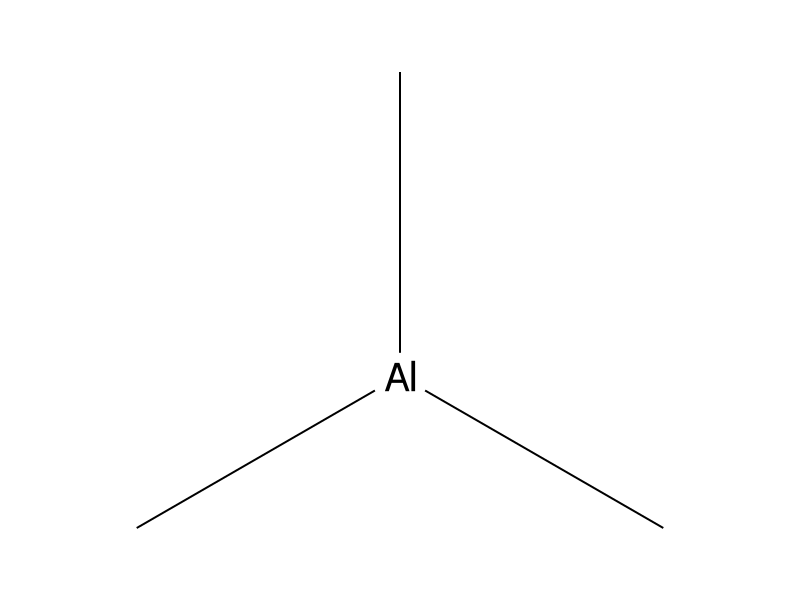
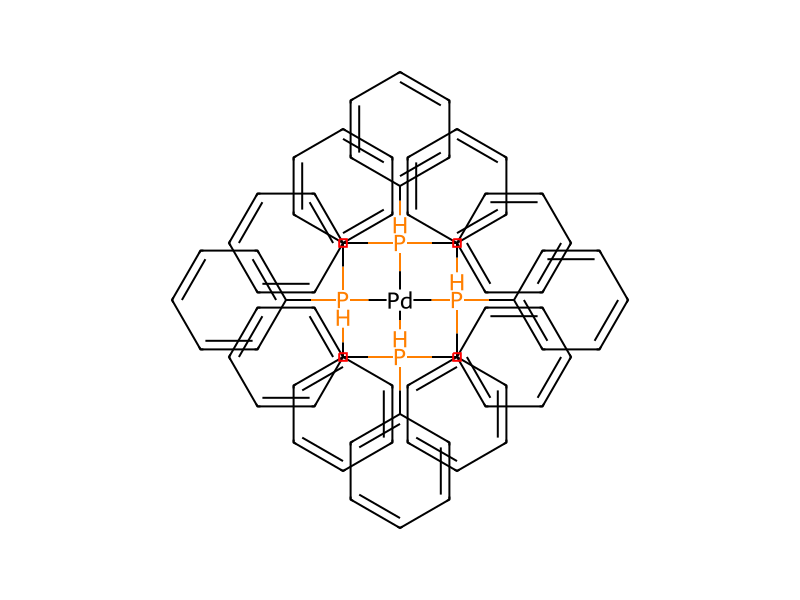
Cl[C:2]1[N:10]=[CH:9][N:8]=[C:7]2[C:3]=1[NH:4][CH:5]=[N:6]2.[CH3:11][Al](C)C.[Cl-].[NH4+]>C1COCC1.C1(C)C=CC=CC=1.C1(P([Pd](P(C2C=CC=CC=2)(C2C=CC=CC=2)C2C=CC=CC=2)(P(C2C=CC=CC=2)(C2C=CC=CC=2)C2C=CC=CC=2)P(C2C=CC=CC=2)(C2C=CC=CC=2)C2C=CC=CC=2)(C2C=CC=CC=2)C2C=CC=CC=2)C=CC=CC=1>[CH3:11][C:2]1[N:10]=[CH:9][N:8]=[C:7]2[C:3]=1[NH:4][CH:5]=[N:6]2A suspension of 6-chloropurine (0.2 mmol) and tetrakis(triphenylphosphino)-palladium (0.02 mmol) in dry THF (3 mL) was treated with trimethylaluminum (2M in toluene, 0.45 mmol) under nitrogen. The resulting solution was heated to reflux for 3 h, cooled to r.t., diluted with toluene (5 mL), and quenched with methanol (0.5 mL) followed by ammonium chloride (1 mmol). The mixture was heated to reflux for 2 h and filtered while hot through a Celite plug. Evaporation and purification by prep TLC afforded the 6-methylpurine. See J. Med. Chem. 1999, 42, 2064–2086.