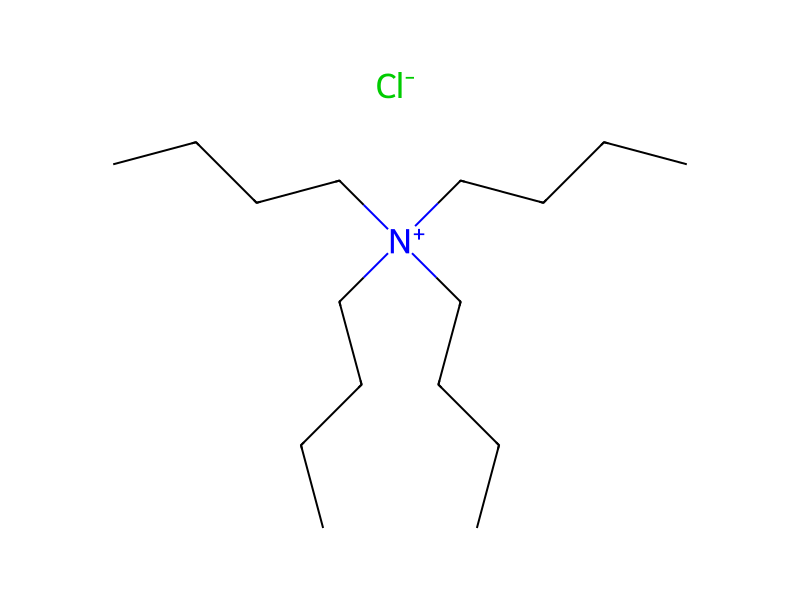
[Br:1][C:2]1[CH:3]=[C:4]([CH:9]=[CH:10][C:11]=1I)[C:5]([O:7][CH3:8])=[O:6].[C:13]([O:17][CH3:18])(=[O:16])[CH:14]=[CH2:15].C(=O)([O-])[O-].[K+].[K+].C(OCC)(=O)C>CCCC[N+](CCCC)(CCCC)CCCC.[Cl-].CN(C)C=O.[Cl-].[Na+].O.C([O-])(=O)C.[Pd+2].C([O-])(=O)C>[Br:1][C:2]1[CH:3]=[C:4]([CH:9]=[CH:10][C:11]=1/[CH:15]=[CH:14]/[C:13]([O:17][CH3:18])=[O:16])[C:5]([O:7][CH3:8])=[O:6]A mixture of methyl 3-bromo-4-iodobenzoate (5.9 g, 17 mmol), methyl acrylate (2.01 mL, 22.3 mmol), tetra-N-butylammonium chloride (4.8 g, 17 mmol), palladium acetate (80 mg, 0.3 mmol) and finely ground potassium carbonate (5.98 g, 43.3 mmol) in N,N-dimethylformamide (21 mL) was stirred at 50° C. for 20 h. The reaction mixture was cooled to room temperature. Ethyl acetate (200 mL) and brine (50 mL) were added, and the mixture was filtered under suction. The filtrate was collected, and aqueous layer was extracted with ethyl acetate twice. The combined organic layers were dried over NaSO4, filtered, and concentrated. The product was crashed out after concentration, filtered and washed with ethyl acetate to give product. The remained residue was purified with silica gel chromatography (10% ethyl acetate/hexanes) to provide white solid (3.5 g, 67%). 1H NMR (400 MHz, CDCl3): δ 8.27 (d, J=1.7 Hz, 1H), 8.04 (d, J=16.0 Hz, 1H), 7.98 (m, 1H), 7.65 (d, J=8.2 Hz, 1H), 6.46 (d, J=15.8 Hz, 1H), 3.94 (s, 3H), 3.84 (s, 3H). LCMS found for C12H12BrO4 (M+H)+: m/z=299, 301.
Wird geladen…