StartseiteMCPWorkbenchSkills
StartseiteWorkbenchBenachrichtigungenMein Bereich
llms.txt · MCP-AnleitungDatenschutz · Nutzungsbedingungen · Supportv1.8.3
  1. Startseite
  2. /Reaktion

Chlorotrimethylsilane → HCID 19705217, Verbindung

HRID 727144
Drucken

Reaktionsgleichung

Reaktionsgleichung von HRID 727144
Br[C:2]([C:5]1[CH:10]=[CH:9][CH:8]=[CH:7][CH:6]=1)([CH3:4])[CH3:3].C1(C(O)(C)C)C=CC=CC=1.[Br-].[Li+].C[Si](Cl)(C)C.C1O[C:31]2([CH2:36][CH2:35][C:34](=[O:37])[CH2:33][CH2:32]2)OC1>C(#N)C.O1CCCC1>[C:5]1([C:2]([C:31]2[CH2:32][CH2:33][C:34](=[O:37])[CH2:35][CH:36]=2)([CH3:4])[CH3:3])[CH:10]=[CH:9][CH:8]=[CH:7][CH:6]=1
KomponentenVersuchsvorschriftQuellen und NachweiseNotizen zur Reaktion

Komponenten

8

Edukt 5

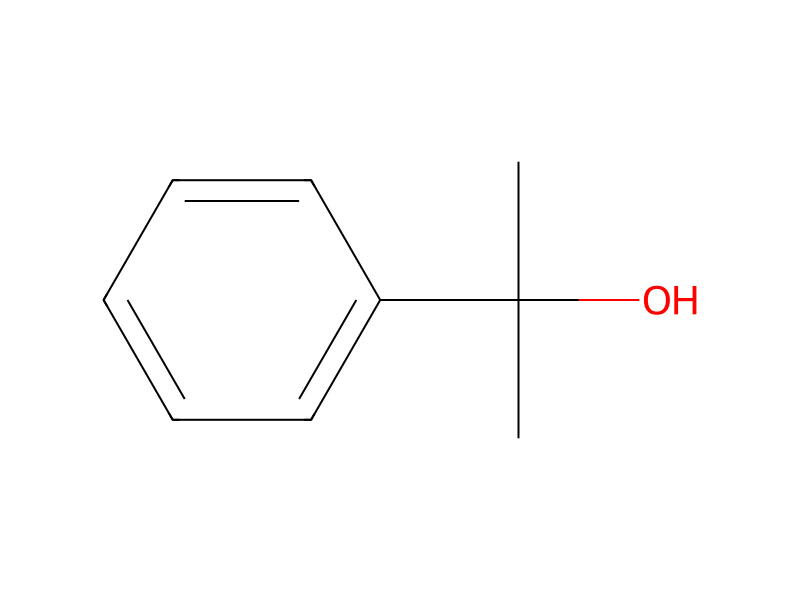
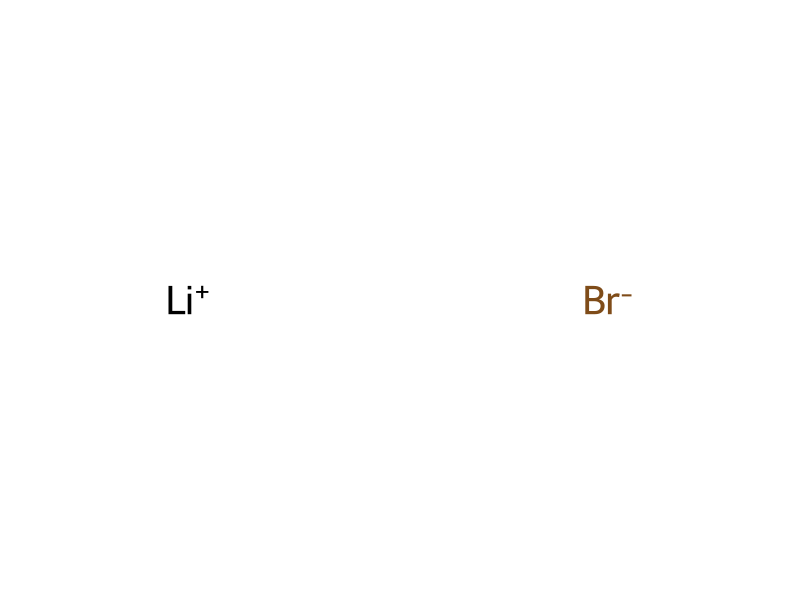
HCID 6397ChlorotrimethylsilaneHCID 120532-Phenyl-2-propanolHCID 82050Lithium BromideHCID 5674151,4-Dioxaspiro[4.5]decan-8-oneHCID 12492649(2-Bromopropan-2-yl)benzene2×

Produkt 1

HCID 19705217HCID 19705217, Verbindung

Reagenzien, Katalysatoren, Lösungsmittel 2

HCID 6342AcetonitrileLösungsmittelHCID 8028TetrahydrofuranLösungsmittel

Versuchsvorschrift

When n is the bridging group --C(CH3)2 --, an appropriately substituted or unsubstituted phenyl methyl ketone, for example, methyl (3-chlorophenyl) ketone, is prepared by the reaction of methylmagnesium bromide and an appropriate benzonitrile in tetrahydrofuran. The ketone is in turn treated with methylmagnesiun bromide in tetrahydrofuran, yielding the corresponding 2-phenylpropan-2-ol, which is then converted to the 2-bromo-2-phenylpropane by the treatment of the alcohol with lithium bromide and trimethylsilyl chloride in acetonitrile. The Grignard reagent of the 2-bromo-2-phenylpropane is then prepared and reacted with 1,4-cyclohexanedione mono-ethylene ketal in tetrahydrofuran, yielding the corresponding 1-(2-phenylpropan-2-yl)-1-cyclohexen-4-one. The so-prepared cyclohexenone is reduced with hydrogen gas in the presence of 10% palladium on charcoal, yielding the 4-(2-phenylpropan-2-yl)cyclohexanone, which is in turn reacted with cyanoguanidine, as previously described, yielding the targeted 2,4-diamino-6-(2-phenylpropan-2-yl)-5,6,7,8-tetrahydroquinazoline. Example 7 provides a detailed description of how this reaction is conducted.

Quellen und Nachweise

ORD-Eintrag
ord-85879805e0b749a0bc0f0591a5f9faba
Quelldatensatz
uspto-grants-1998_01
DOI
10.6084/m9.figshare.5104873.v1
Patentnummer
US05712281

Notizen zur Reaktion

Auf dieser SeiteKomponentenVersuchsvorschriftQuellen und NachweiseNotizen zur Reaktion