2-Methylaziridine → Ethylene glycol di(2-methyl-1-aziridinepropionate)
HRID 727422
Reaktionsgleichung

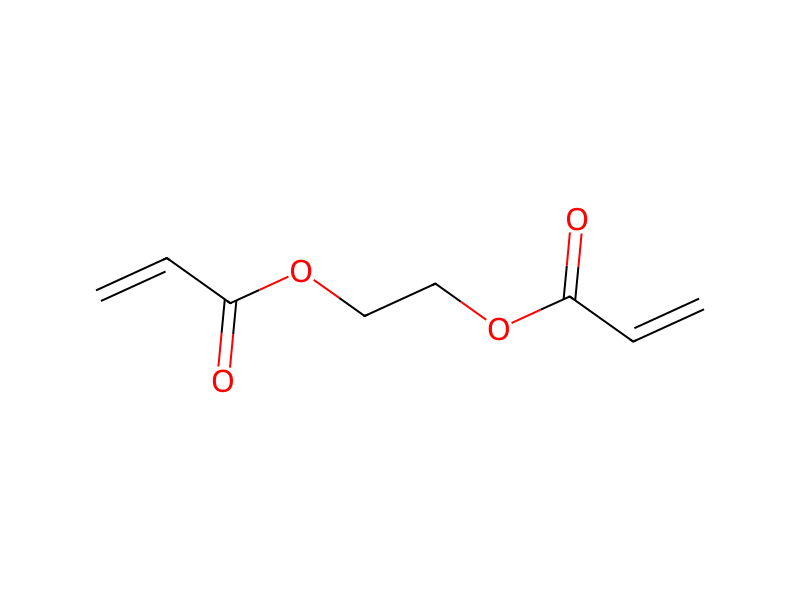
[CH3:1][CH:2]1[CH2:4][NH:3]1.[C:5]([O:9][CH2:10][CH2:11][O:12][C:13](=[O:16])[CH:14]=[CH2:15])(=[O:8])[CH:6]=[CH2:7]>>[CH3:1][CH:2]1[CH2:4][N:3]1[CH2:7][CH2:6][C:5]([O:9][CH2:10][CH2:11][O:12][C:13](=[O:16])[CH2:14][CH2:15][N:3]1[CH2:4][CH:2]1[CH3:1])=[O:8]Komponenten
3


Versuchsvorschrift
2-Methylaziridine (9.1 gm) was charged in a 100 ml round bottle reaction vessel equipped with a condenser and dropping funnel. Ethylene glycol diacrylate (13.5 gm) was slowly added to the solution while stirring with a magnetic stirrer to maintain the solution temperature below about 40°-45° C. The resulting solution was further stirred at 50° C. for 30 minutes and at room temperature for 30 minutes. Ethylene glycol di(2-methyl-1-aziridinepropionate) was formed as a slightly yellowish viscous liquid and used without further purification. Trimethylolpropane tris[3-(2-methyl-1-aziridinyl)propionate] was also prepared by adding trimeylolpropane triacrylate (9.87 gm) to 2-methylaziridine (5.7 gm) using the foregoing method.
Aufarbeitung
- customequipped with a condenser