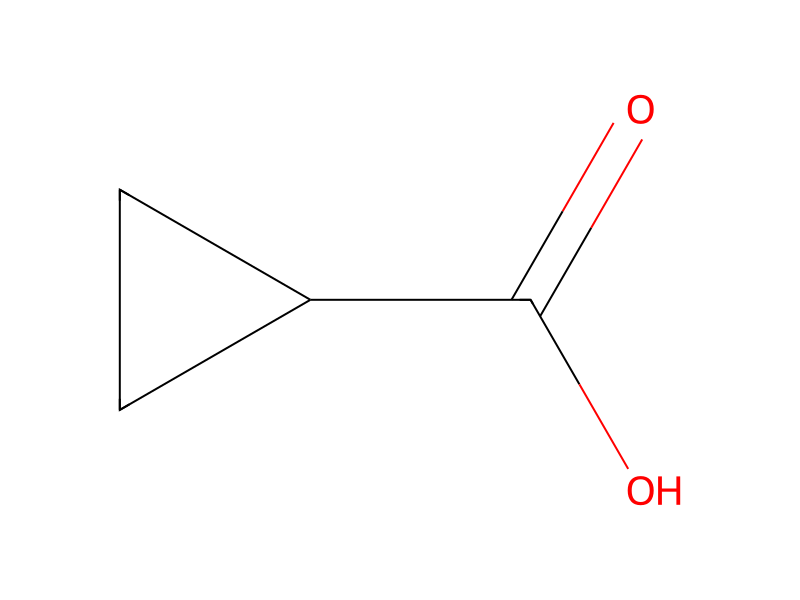
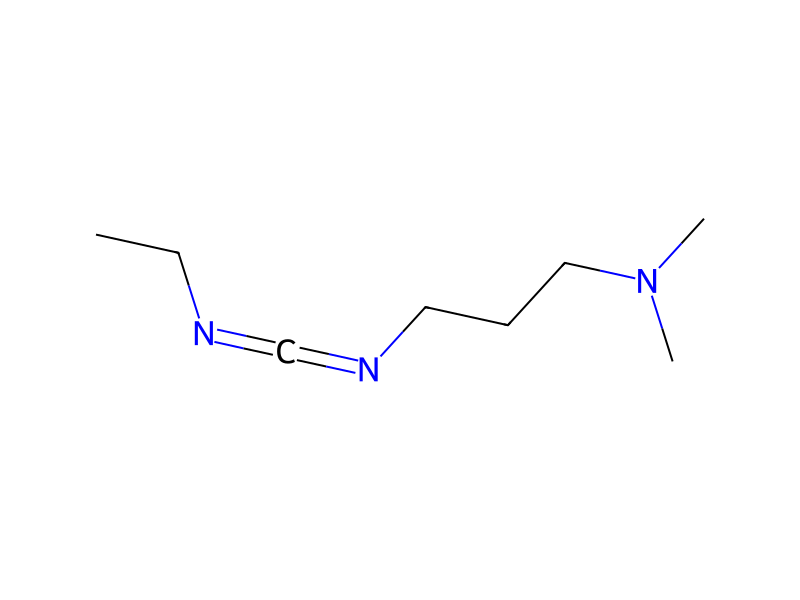
[N+:1]([C:4]1[C:13]2[C:8](=[CH:9][CH:10]=[CH:11][CH:12]=2)[C:7]([N:14]2[CH2:19][CH2:18][NH:17][CH2:16][CH2:15]2)=[N:6][CH:5]=1)([O-:3])=[O:2].[CH:20]1([C:23](O)=[O:24])[CH2:22][CH2:21]1.CCN=C=NCCCN(C)C>CN(C1C=CN=CC=1)C.ClCCl>[CH:20]1([C:23]([N:17]2[CH2:16][CH2:15][N:14]([C:7]3[C:8]4[C:13](=[CH:12][CH:11]=[CH:10][CH:9]=4)[C:4]([N+:1]([O-:3])=[O:2])=[CH:5][N:6]=3)[CH2:19][CH2:18]2)=[O:24])[CH2:22][CH2:21]1Treat a solution or slurry of 4-nitro-1-piperazin-1-yl-isoquinoline (Preparation 26, 517 mg, 2 mmol), cyclopropanecarboxylic acid (258 mg, 3 mmol) and catalytic DMAP (24 mg, 0.2 mmol) in dichloromethane (20 mL) with EDCI (575 mg, 3 mmol). Agitate the resulting mixture at ambient temperature overnight, then wash with saturated aqueous sodium bicarbonate solution. Dry the organic layer over sodium sulfate and concentrate under reduced pressure. Subject residue to silica gel chromatography using a gradient of 0-2% 2M ammonia-methanol in dichloromethane and a gradient of 0-70% ethyl acetate in hexanes to give a yellow solid after two purifications. (513 mg, 79% yield, LCMS ES+ (m/z) 327 [M+H]).
Wird geladen…