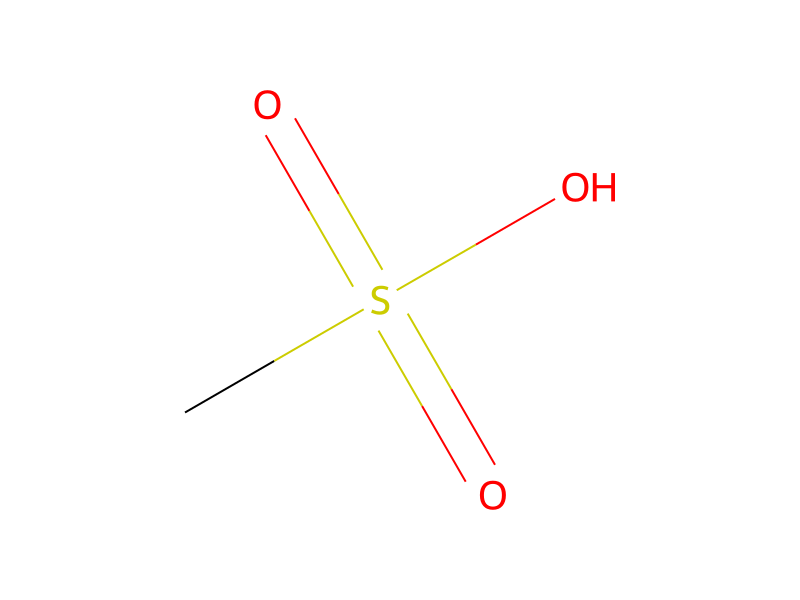
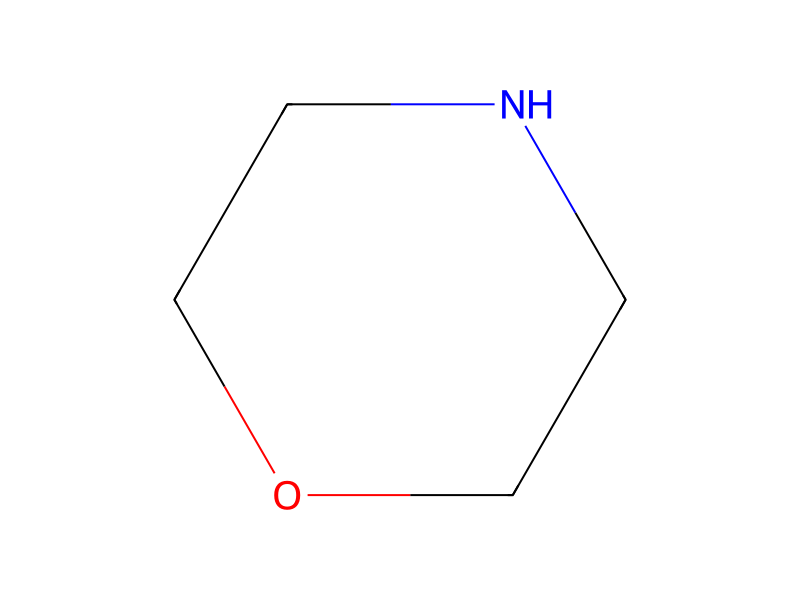
A mixture of 7-chloro-3-methyl-4-(1-morpholin-4-yl-methanoyl)-pyrrolo[2,3-c]pyridine-1-carboxylic acid tert-butyl ester (70 mg), morpholine (64 μl), and methanesulfonic acid (48 μl) in 1,4-dioxane (1 ml) was heated under microwave conditions at 180° C. for 30 minutes. The solid mass obtained was dissolved in methanol, transferred to a round bottom flask and evaporated. The residue was dissolved in dichloromethane (40 ml) and washed with 5% sodium hydrogen carbonate solution (4 ml). The organic layer was dried (MgSO4) and evaporated to give a pale brown foam. The residue was purified by Biotage chromatography over silica gel (50 g), eluting with 2% methanol/dichloromethane followed by 5% methanol/dichloromethane. The residue was dissolved in dichloromethane and treated with a solution of 1M hydrochloric acid in diethyl ether (10 drops). The solution was evaporated and triturated with diethyl ether and the resultant solid was then filtered off, sucked dry then dried at 40° C. under vacuum to afford the title compound (36 mg).