Reaktionsgleichung

[C:1]1(=[O:6])[CH2:5][CH2:4][CH:3]=[CH:2]1.[C:7]1(=[O:13])[CH2:12][CH2:11][CH2:10][CH2:9][CH2:8]1>>[C:1]1(=[O:6])[CH2:5][CH2:4][CH2:3][CH2:2][CH:8]=[CH:7]1.[C:7]1(=[O:13])[CH2:2][CH2:1][CH2:8][CH2:9][CH2:10][CH:11]=[CH:12]1.[CH:5]1[C:1](=[O:6])[CH2:5][CH2:1][CH2:2][CH2:3][CH2:8][CH2:9][CH2:10][CH2:11][CH2:12][CH2:7][CH2:2][CH2:3][CH:4]=1Komponenten
5


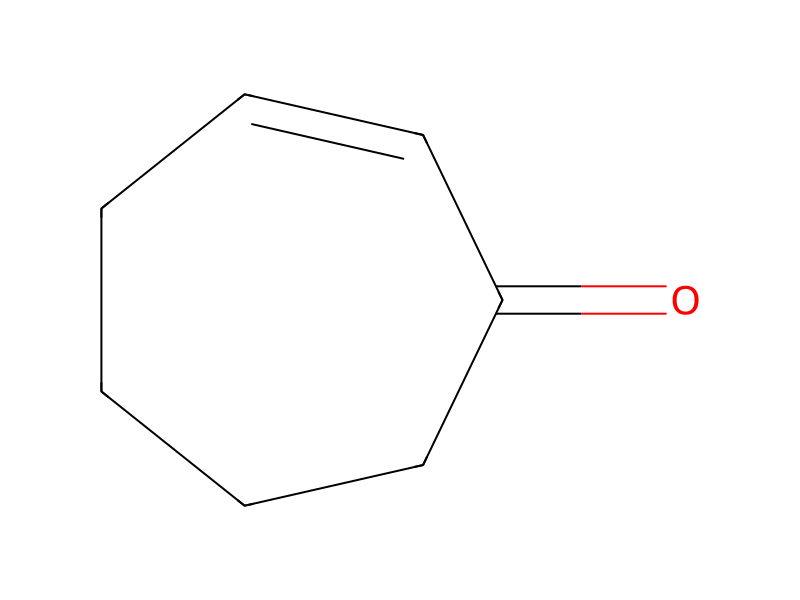


Versuchsvorschrift
As may be seen in the table, cyclopentenone and cyclohexanone provided for modest enantiocontrol (12-15:1 endo:exo, 48-63% ee, 81% yield), while cycloheptenone (n=2), cyclooctenone (n=3), and (E) cyclopentadecene-2-one (n=10) were found to be highly enantioselective (entries 3-5, 5-18:1 endo:exo, 90-93% ee, 83-88% yield). Cyclopentenone (n=0, entry 1) and cyclohexanone (n=1, entry 2) were found to be somewhat less enantioselective.
Quellen und Nachweise
- ORD-Eintrag
- ord-0887465990e24916920d9fc6847df7fe
- Quelldatensatz
- uspto-grants-2009_09
- Patentnummer
- US07592463B2
Verknüpfte Notizen
Wird geladen…