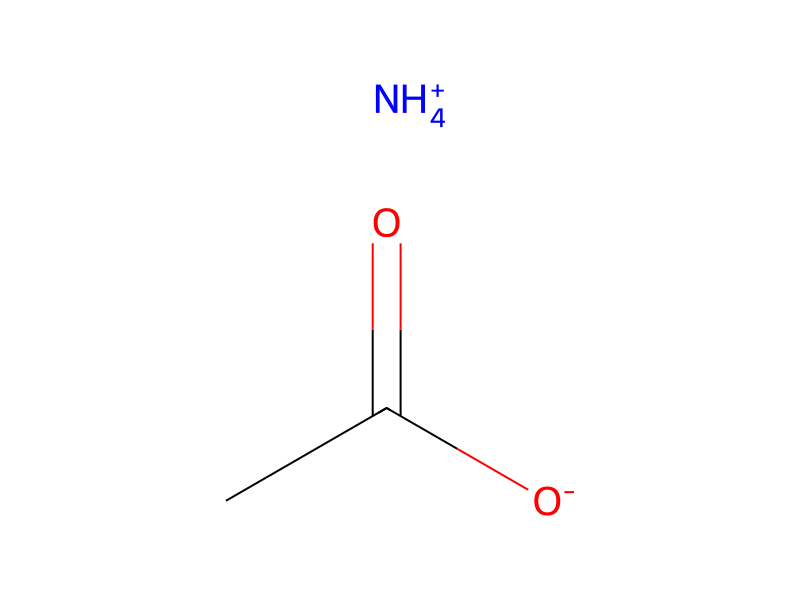
[CH3:1][O:2][C:3]1[CH:12]=[CH:11][C:10]2[C:5](=[CH:6][CH:7]=[CH:8][CH:9]=2)[C:4]=1[CH:13]=O.C([O-])(=O)C.[NH4+].[N+:20]([CH3:23])([O-:22])=[O:21]>O>[N+:20]([CH:23]=[CH:13][C:4]1[C:5]2[C:10](=[CH:9][CH:8]=[CH:7][CH:6]=2)[CH:11]=[CH:12][C:3]=1[O:2][CH3:1])([O-:22])=[O:21]1.52 g of 2-methoxynaphthaldehyde (8.16 mmol), 0.4 g of ammonium acetate (5.19 mmol) and 20 cm3 of nitromethane (96%) are introduced into a 50-cm3 two-necked round-bottomed flask equipped with a condenser. The reaction mixture is heated to reflux for 1 h 30 min while stirring. It becomes yellow. The nitromethane is evaporated off in a rosary evaporator and the residue is then taken up with dichloromethane. Hydrolysis of he ammonium acetate is carried out by pouring the above mixture into water. The aqueous phase is washed twice with CH2Cl2, the organic phase once with water. The latter phase is dried with MgSO4 and the solvent is removed in a rotary evaporator. 1.77 g of yellow crystals (equivalent to 7.73 mmol of the expected product) are then obtained, corresponding to a 95% yield.