Reaktionsgleichung

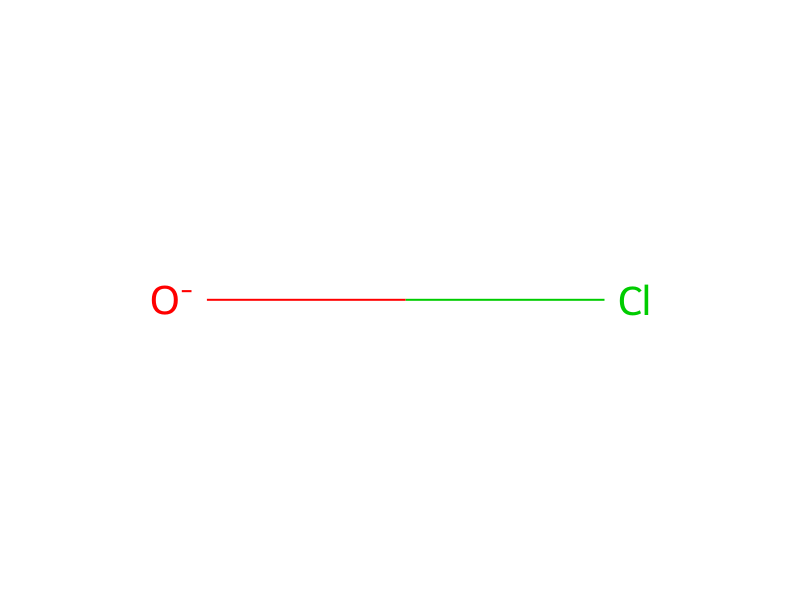
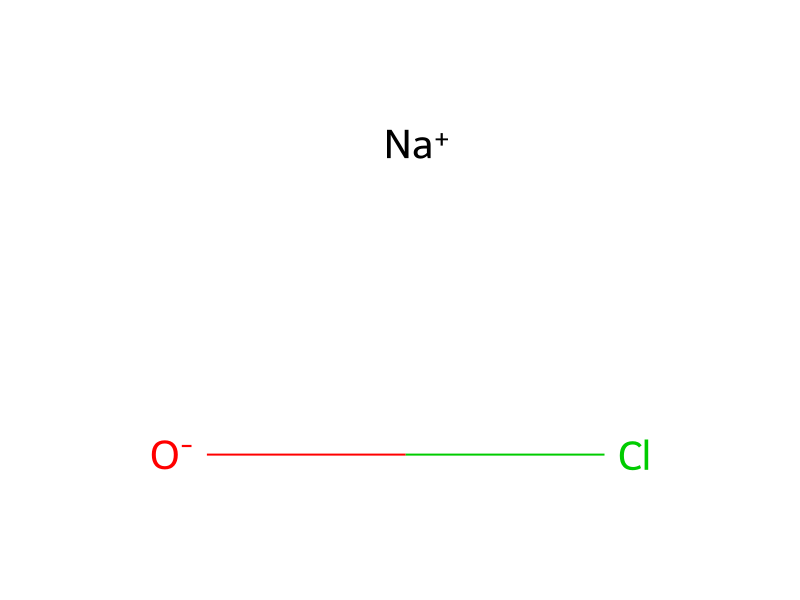
[C:1]([C:4]1[CH:5]=[CH:6][C:7]2[N:8]([CH2:20][CH3:21])[C:9]3[C:14]([C:15]=2[CH:16]=1)=[CH:13][C:12]([C:17](=[O:19])C)=[CH:11][CH:10]=3)(=[O:3])C.[OH-:22].[Na+].Cl[O-:25].[Na+].S(=O)(O)[O-].[Na+].Cl[O-].Cl>N1C=CC=CC=1>[CH2:20]([N:8]1[C:9]2[CH:10]=[CH:11][C:12]([C:17]([OH:22])=[O:19])=[CH:13][C:14]=2[C:15]2[C:7]1=[CH:6][CH:5]=[C:4]([C:1]([OH:25])=[O:3])[CH:16]=2)[CH3:21]Komponenten
8
Edukt 6




Produkt 1

Reagenzien, Katalysatoren, Lösungsmittel 1

Versuchsvorschrift
Nineteen grams of the 3,6-diacetyl-N-ethylcarbazole from Example 1 was dissolved in 800 ml pyridine and added to 400 ml of 5% aqueous sodium hydroxide in a 6-liter Erlenmeyer flask. While cooling the mixture in ice, 1429 ml of 5% sodium hypochlorite (bleach) was added. The reaction was allowed to stir 3.5 hours at room temperature. A concentrated solution of sodium bisulfite was added until no hypochlorite remained (starch-iodine test). The basic solution was neutralized with concentrated HCl and the precipitated diacid filtered. The yield of N-ethylcarbazole-3,6-dicarboxylic acid was 13.12 g.
Aufarbeitung
- temperatureWhile cooling the mixture in ice
- filtrationthe precipitated diacid filtered
Quellen und Nachweise
- ORD-Eintrag
- ord-f59fdcd24703440ca7f22b2cf0676c4c
- Quelldatensatz
- uspto-grants-1986_07
- Patentnummer
- US04599399
Verknüpfte Notizen
Wird geladen…