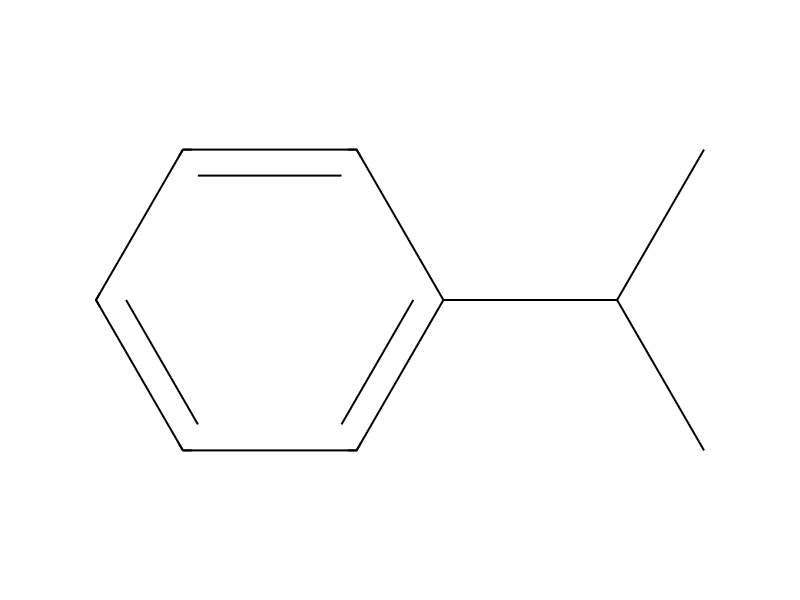
A mixture of 20 g (0.084 mole) of 5-hydroxy-5-phenyl-5,6,7,8-tetrahydroquinaldine, 10 g of 10% palladium on carbon, 2.3 g of para-toluenesulfonic acid and 200 ml of cumene was heated at its reflux temperature for 24 hours. The mixture was filtered hot, and then the filtrate was evaporated to provide a residue. This residue was dissolved in dilute hydrochloric acid. This solution was extracted with diethyl ether and the acid layer was then neutralized with 50% aqueous sodium hydroxide solution. The product was extracted into diethyl ether. The organic layer was dried and then evaporated to provide a solid residue. Recrystallization from methanol provided white crystals of 5-phenylquinaldine. Analysis: Calculated for C16H13N.H2O: %C, 81.0; %H, 6.4; %N, 5.8; Found: %C, 81.4; %H, 6.6; %N, 5.5. The structure assignment was confirmed by nuclear magnetic resonance spectral analysis.