Reaktionsgleichung

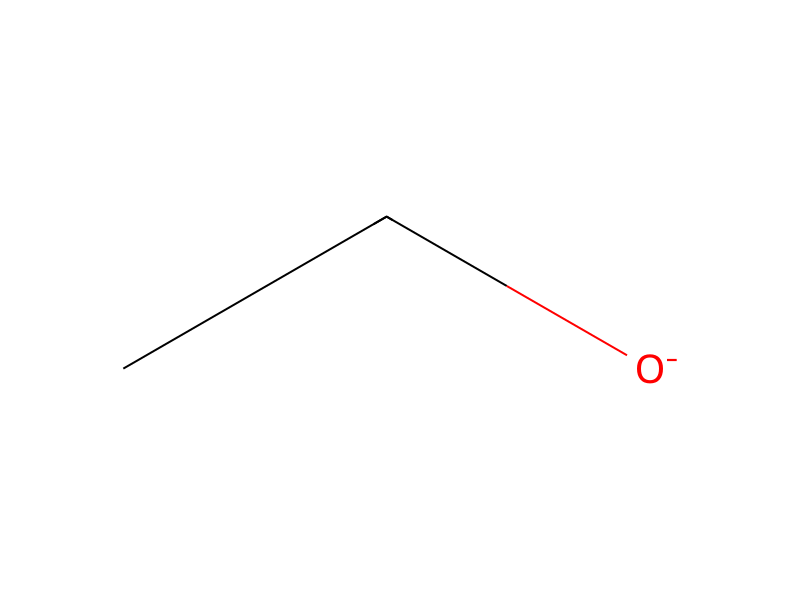
N1C=CN=C1.C(NCC(O)=O)(=O)C.P(Cl)(Cl)(Cl)=O.[CH3:19][N:20]([CH3:30])/[C:21](=[C:23]1/[N:24]=[C:25]([CH3:29])[O:26][C:27]/1=[O:28])/[CH3:22].[O-:31][CH2:32][CH3:33]>CC(N(C)C)=O>[C:32]([NH:24]/[C:23](=[C:21](/[N:20]([CH3:30])[CH3:19])\[CH3:22])/[C:27]([O:26][CH2:25][CH3:29])=[O:28])(=[O:31])[CH3:33]Komponenten
Edukt 5




Produkt 1

Reagenzien, Katalysatoren, Lösungsmittel 1

Reaktionsbedingungen
- Temperatur
- 45 °C
Versuchsvorschrift
Another approach toward imidazole intermediate is described in Reaction Scheme 3. The original reaction sequence was published by F. Hoffmann-La Roche A G [F. Hoffmann-La Roche A G, WO 2005/003117, 2005]. N-acetylglycine (14) and phosphorous oxychloride are mixed and dimethylacetamide is added thereto dropwise slowly at low temperature (exothermic). The reaction mixture is then stirred and warmed at 45° C. In this way, (E)-4-(1-(dimethylamino)ethylidene)-2-methyloxazol-5(4H)-one (15) is generated in 50% yield. The oxazolone (15) is cleaved with in situ generated ethoxide to produce (E)-ethyl 2-acetamido-3-(dimethylamino)but-2-enoate (16). Next, an amine (17) is subjected to a reaction with the compound (16) in acetic acid at rt overnight to give a Michael adduct (18). The crude intermediate (18) is then refluxed together with fine powdered ammonium sulfate in hexamethyldisilazane at 145° C. to provide the corresponding imidazole ester (19) in 55˜73% yield for the three steps from the oxazolone (15). The imidazole ester (19) is hydrolyzed with sodium hydroxide to produce the corresponding sodium carboxylate (20) uneventfully.
Quellen und Nachweise
- ORD-Eintrag
- ord-67d23c31c9f1422691858c92517e8a58
- Quelldatensatz
- uspto-grants-2014_09
- Patentnummer
- US08835436B2
Verknüpfte Notizen
Wird geladen…