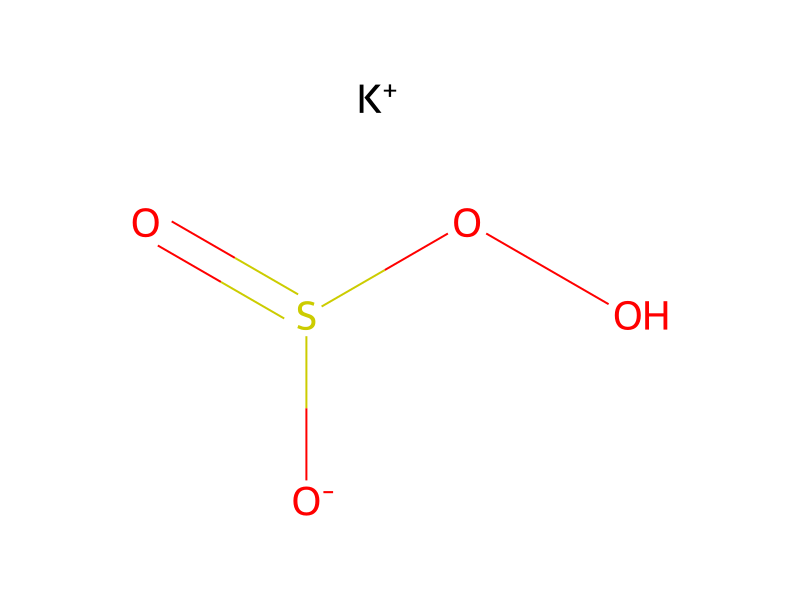
CS[C:3]1[N:8]=[C:7]([NH:9][C:10]2[NH:11][N:12]=[C:13]([CH3:15])[CH:14]=2)[CH:6]=[C:5]([N:16]2[CH2:21][CH2:20][O:19][CH2:18][CH2:17]2)[N:4]=1.O[O:23][S:24]([O-:26])=O.[K+].[CH3:28]O>O>[CH3:28][S:24]([C:3]1[N:8]=[C:7]([NH:9][C:10]2[NH:11][N:12]=[C:13]([CH3:15])[CH:14]=2)[CH:6]=[C:5]([N:16]2[CH2:21][CH2:20][O:19][CH2:18][CH2:17]2)[N:4]=1)(=[O:26])=[O:23]To a suspension of the above-prepared [2-methylsulfanyl-6-(morpholin-4-yl)-pyrimidin-4-yl]-(5-methyl-2H-pyrazol-3-yl)-amine (500 mg, 1.63 mmol) in MeOH (10 mL) is added a solution of oxone (3.0 g) in water (10 mL). The reaction mixture is stirred at room temperature for 15 hours and most of the solvent is evaporated. The residue is partitioned between DCM and aqueous saturated NaHCO3. The organic layer is washed with brine, dried, filtered and evaporated. The residue is triturated in MeOH and the resulting white solid is collected by filtration to give [2-methylsulfonyl-6-(morpholin-4-yl)-pyrimidin-4-yl]-(5-methyl-2H-pyrazol-3-yl)-amine.