Reaktionsgleichung

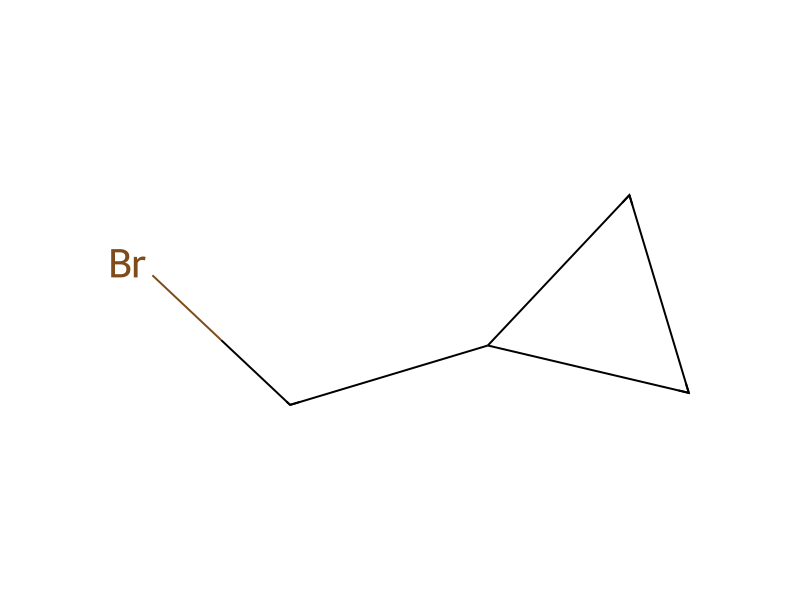
[Br:1][C:2]1[CH:3]=[C:4]2[C:9](=[CH:10][CH:11]=1)[CH2:8][C@@H:7]([NH2:12])[CH2:6][CH2:5]2.[OH:13][C:14]1[CH:15]=[CH:16][C:17]([C:20]([OH:22])=O)=[N:18][CH:19]=1.Br[CH2:24][CH:25]1[CH2:27][CH2:26]1.[CH3:28]I>>[Br:1][C:2]1[CH:3]=[C:4]2[C:9](=[CH:10][CH:11]=1)[CH2:8][C@@H:7]([N:12]([CH3:28])[C:20]([C:17]1[CH:16]=[CH:15][C:14]([O:13][CH2:24][CH:25]3[CH2:27][CH2:26]3)=[CH:19][N:18]=1)=[O:22])[CH2:6][CH2:5]2Komponenten
5



Versuchsvorschrift
According to method G, (S)-6-bromo-1,2,3,4-tetrahydronaphthalen-2-ylamine was coupled with 5-hydroxypyridine-2-carboxylic acid and the product was then alkylated on the phenolic hydroxyl function with bromomethylcyclopropane according to method a Finally, the amide function was alkylated according to method B with methyl iodide. The product was thus obtained with the molecular weight of 415.33 (C21H23BrN2O2); MS (ESI): 415 (M+H+).
Aufarbeitung
- customThe product was thus obtained with the molecular weight of 415.33 (C21H23BrN2O2)
Quellen und Nachweise
- ORD-Eintrag
- ord-88d81b669a224bbfa615843c2afeea02
- Quelldatensatz
- uspto-grants-2014_09
- Patentnummer
- US08841290B2
Verknüpfte Notizen
Wird geladen…