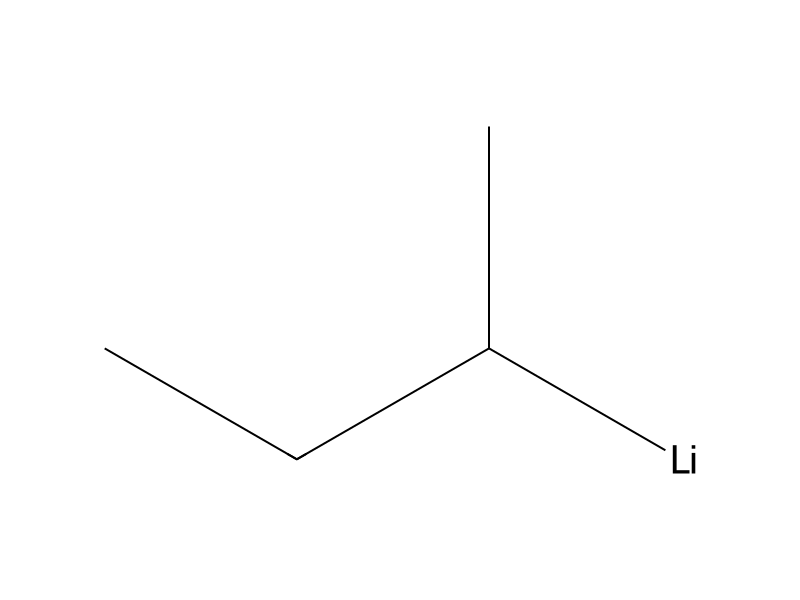
[Li]C(CC)C.[F:6][C:7]1[CH:12]=[CH:11][N:10]=[C:9]2[N:13]([Si:16]([CH:23]([CH3:25])[CH3:24])([CH:20]([CH3:22])[CH3:21])[CH:17]([CH3:19])[CH3:18])[CH:14]=[CH:15][C:8]=12.C(Br)(Br)(Br)[Br:27].[Cl-].[NH4+]>C1COCC1>[Br:27][C:12]1[C:7]([F:6])=[C:8]2[CH:15]=[CH:14][N:13]([Si:16]([CH:20]([CH3:22])[CH3:21])([CH:23]([CH3:25])[CH3:24])[CH:17]([CH3:18])[CH3:19])[C:9]2=[N:10][CH:11]=1s-BuLi (53.7 mL, 75.2 mmol, 1.4M in cyclohexane) was added to a solution of 4-fluoro-1-(triisopropylsilyl)-1H-pyrrolo[2,3-b]pyridine (10.0 g, 34.2 mmol, prepared as described in L′Heureux, et al. Org. Lett., 5(26), p. 5023 (2003)) in THF (250 mL) at −78° C., and the reaction was stirred at −78° C. for 30 minutes. A solution of CBr4 (28.3 g, 85.5 mmol) in THF (40 mL) was added next, and the reaction was stirred at this temperature for 1 hour. A saturated ammonium chloride solution (80 mL) was then added, and the reaction was extracted with hexane (200 mL), washed with brine, dried over sodium sulfate, filtered and concentrated. The crude product was then purified by column chromatography (hexane) to give 5-bromo-4-fluoro-1-(triisopropylsilyl)-1H-pyrrolo[2,3-b]pyridine (7.8 g, 61.4% yield).
Wird geladen…