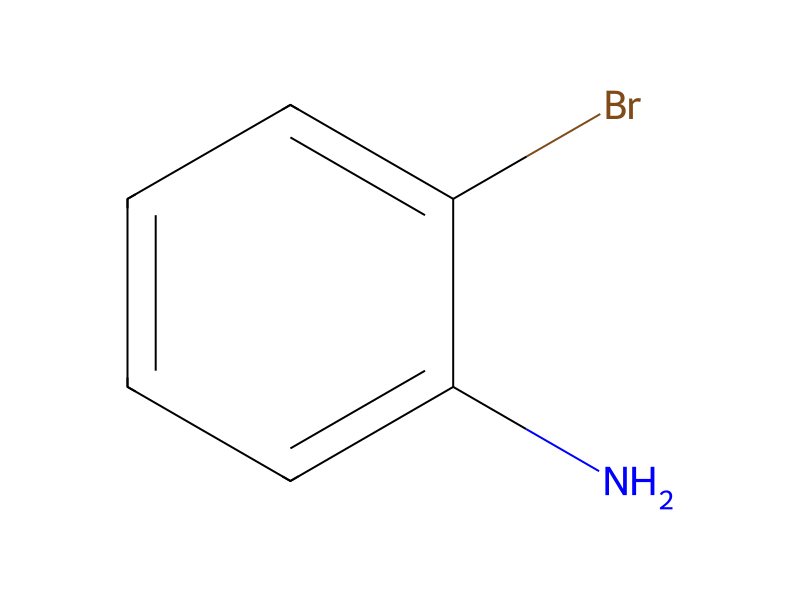
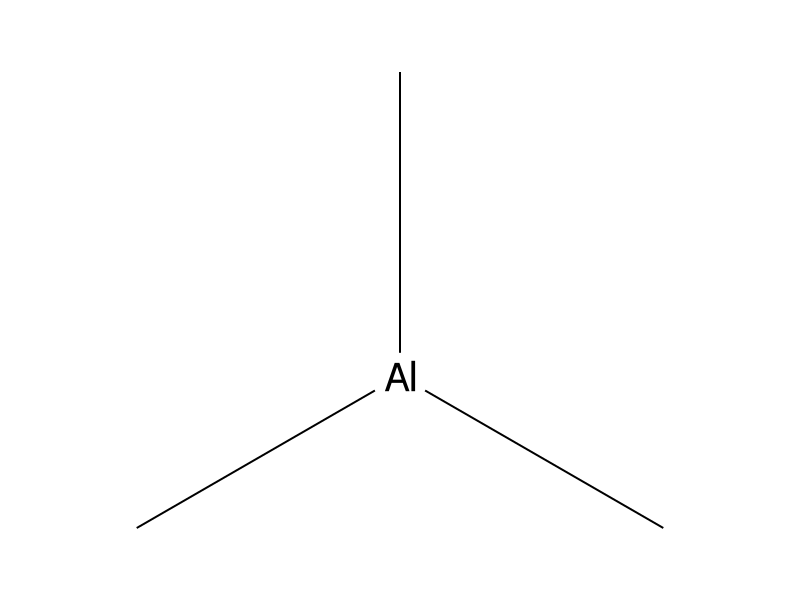
C[Al](C)C.[Br:5][C:6]1[CH:12]=[CH:11][CH:10]=[CH:9][C:7]=1[NH2:8].C[O:14][C:15]([C:17]1[CH2:18][N:19]([C:23]([O:25][C:26]([CH3:29])([CH3:28])[CH3:27])=[O:24])[CH2:20][CH2:21][CH:22]=1)=O>ClCCl>[C:26]([O:25][C:23]([N:19]1[CH2:18][C:17]([C:15](=[O:14])[NH:8][C:7]2[CH:9]=[CH:10][CH:11]=[CH:12][C:6]=2[Br:5])=[CH:22][CH2:21][CH2:20]1)=[O:24])([CH3:29])([CH3:28])[CH3:27]Trimethylaluminium (2M in heptane, 3 ml) was added dropwise to a solution of 2-bromoaniline (860 mg) in dichloromethane (15 ml). After gas evolution ceased, 5,6-dihydro-2H-pyridine-1,3-dicarboxylic acid 1-tert-butyl ester 3-methyl ester (Chem. Commun. 1999, 1757-1758, 1.2 g) dissolved in dichloromethane (10 ml) was added and the resulting mixture was refluxed for 5 hrs. The solution was cooled to 0° C., quenched by careful addition of saturated aqueous sodium bicarbonate (10 ml) and extracted with dichloromethane. The organic layer was washed with brine, dried (Na2SO4) and concentrated in vacuo. The residue was purified by silica gel chromatography (eluent cyclohexane:ethyl acetate 85:15) to afford 5-(2-bromo-phenylcarbamoyl)-3,6-dihydro-2H-pyridine-1-carboxylic acid tert-butyl ester (1.2 g), which was characterised by its mass and NMR spectra.
Wird geladen…