Reaktionsgleichung

[CH3:1][C:2]1[O:6][N:5]=[C:4]([C:7]2[CH:12]=[CH:11][CH:10]=[CH:9][CH:8]=2)[C:3]=1[C:13]([OH:15])=[O:14].[Li].[CH2:17](Br)[C:18]1[CH:23]=[CH:22][CH:21]=[CH:20][CH:19]=1.Cl>O1CCCC1.CCCCCC.O>[C:7]1([C:4]2[C:3]([C:13]([OH:15])=[O:14])=[C:2]([CH2:1][CH2:17][C:18]3[CH:23]=[CH:22][CH:21]=[CH:20][CH:19]=3)[O:6][N:5]=2)[CH:12]=[CH:11][CH:10]=[CH:9][CH:8]=1Komponenten
Edukt 4



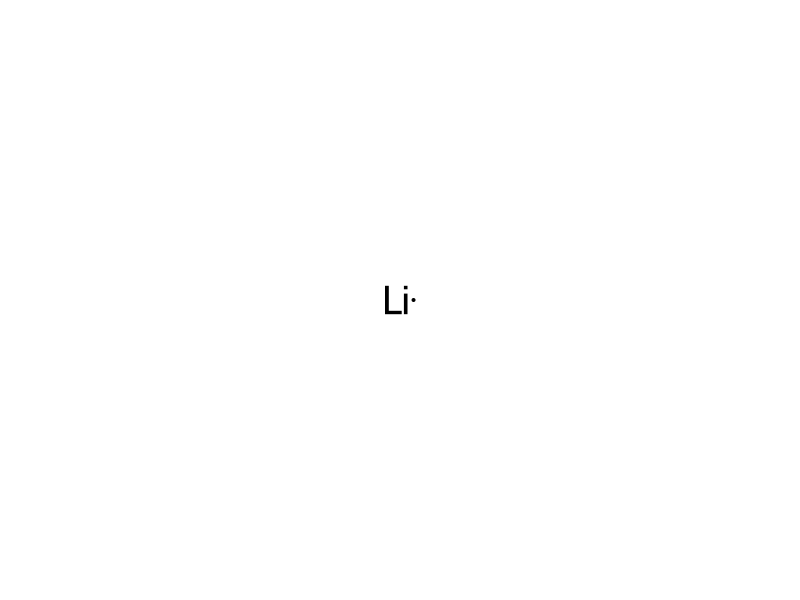
Produkt 1

Reagenzien, Katalysatoren, Lösungsmittel 3



Reaktionsbedingungen
- Temperatur
- -78 °C
Versuchsvorschrift
To a solution of 1.5 g of 5-methyl-3-phenyl-4-isoxazolecarboxylic acid in 50 mL of anhydrous tetrahydrofuran stirred at −78 ° C. under N2 atmosphere, 5.9 mL of a 2.5M solution of n-buthyl lithium in n-hexane was added and the solution was stirred at −78° C. for 2 hours. Afterwards, 0.89 mL of benzyl bromide was added at −78° C. and the solution stirred at room temperature for 2 hours. After overnight resting, the solution was poured into water (300 mL), acidified with hydrochloric acid and extracted with ethyl acetate (2×200 mL). The combined organic layers were washed with water, dried (sodium sulphate) and the solvents were evaporated to dryness. The solid residue was washed with petroleum ether to give 1.82 g (84%) of the title compound as an amorphous solid.
Aufarbeitung
- stirringthe solution stirred at room temperature for 2 hours
- waitAfter overnight resting
- extractionextracted with ethyl acetate (2×200 mL)
- washThe combined organic layers were washed with water
- dry with materialdried (sodium sulphate)
- customthe solvents were evaporated to dryness
- washThe solid residue was washed with petroleum ether
Quellen und Nachweise
- ORD-Eintrag
- ord-24fd1e98a5f84dc5aa4538b128321716
- Quelldatensatz
- uspto-grants-2002_04
- Patentnummer
- US06365591B1
Verknüpfte Notizen
Wird geladen…