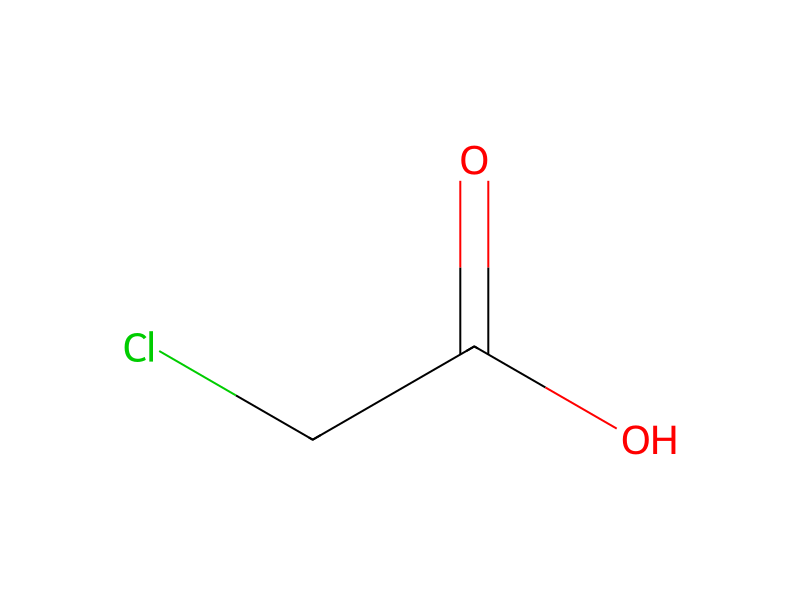
To a mixture of 0.34 g of 2-amino-4-chlorobenzamide, 0.57 g of monochloroacetic acid, 0.90 g of sodium iodide and 0.24 g of magnesium oxide was added 2 ml of dimethylformamide and the mixture was stirred at a temperature between 90° and 100° C. for 2.5 hours. After cooling, the reaction mixture was poured into 50 ml of a 2.6% aqueous sodium carbonate solution. The resulting precipitates were filtered off and the filtrate was extracted with 50 ml of chloroform. The aqueous layer was acidified with concentrated hydrochloric acid to precipitate crystals. The crystals were collected by filtration and recrystallized from aqueous methanol to obtain 0.20 g of N-(2-carbamoyl-5-chlorophenyl)glycine as needles having a melting point of 217°-222° C. (decomposition).