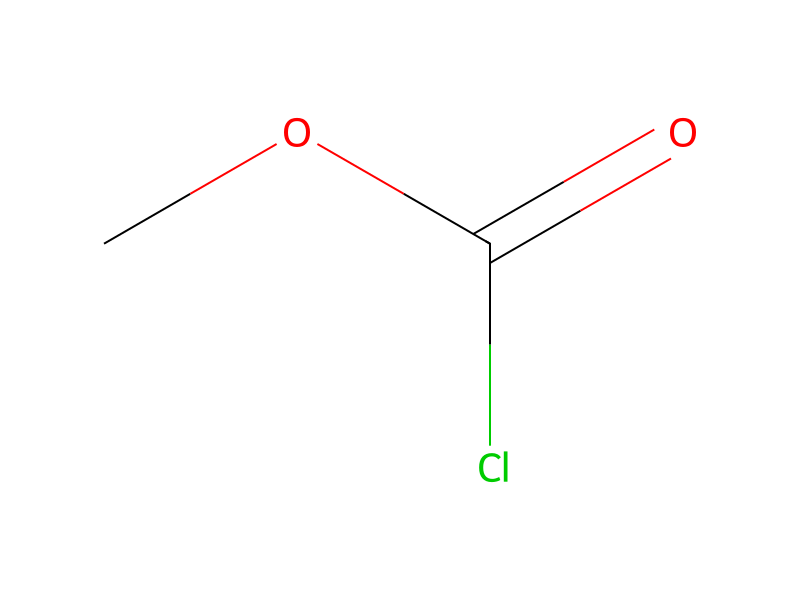
A mixture of 6.41 g (37 mmol) of N-acetyl-4-hydroxy-L-proline, 4.07 ml (37 mmol) of N-methyl morpholine, 2.87 ml (37 mmol) of methyl chloroformate, and 90 ml of dichloromethane is stirred at -10° to -20° for 30 minutes. A mixture of 4.08 g (20 mmol) of 7-amino-1, 4-dihydro-4-oxo-3-quinolinecarboxylic acid, 8.4 ml (60 mmol) of triethylamine, 7.6 ml (60 mmol) of chlorotrimethylsilane, and 100 ml of dichloromethane is stirred at room temperature for 30 minutes and then is cooled to -30°. The cold mixed anhydride is added to the cold silylated quinoline and is stirred with cooling for 4 hours and overnight at room temperature. The reaction mixture is evaporated to dryness and the residue is treated with water and 1 N hydrochloric acid. The solid is filtered to give 5.30 g of 7-[[(1-acetyl-4-hydroxy-2-pyrrolidinyl)carbonyl]amino]-1,4-dihydro-4-oxo-3-quinolinecarboxylic acid.