Phenylacetylene → 4-(Phenylethynyl)benzaldehyde
Reaktionsgleichung

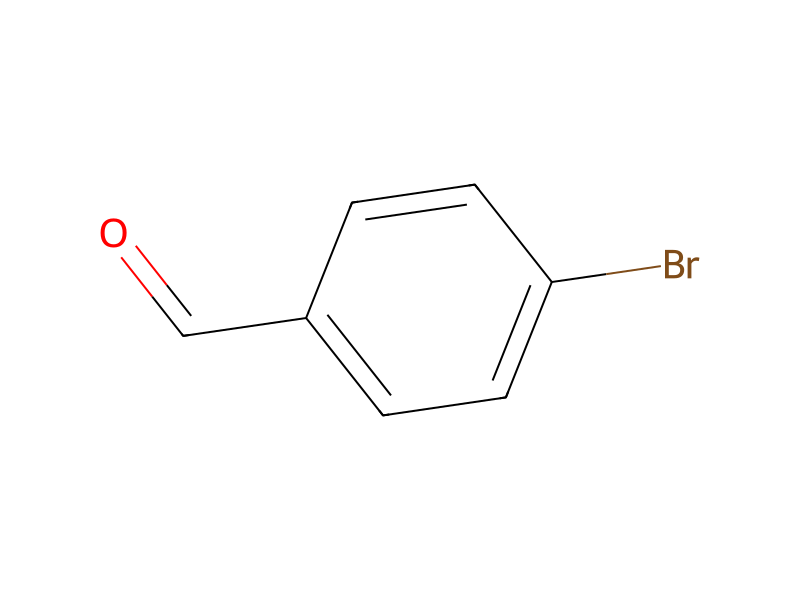
Br[C:2]1[CH:9]=[CH:8][C:5]([CH:6]=[O:7])=[CH:4][CH:3]=1.[C:10]1([C:16]#[CH:17])[CH:15]=[CH:14][CH:13]=[CH:12][CH:11]=1>C(N(CC)CC)C>[C:10]1([C:16]#[C:17][C:2]2[CH:9]=[CH:8][C:5]([CH:6]=[O:7])=[CH:4][CH:3]=2)[CH:15]=[CH:14][CH:13]=[CH:12][CH:11]=1Komponenten
4
Edukt 2

Produkt 1

Reagenzien, Katalysatoren, Lösungsmittel 1

Reaktionsbedingungen
- Temperatur
- 80 °C
Versuchsvorschrift
4-Bromobenzaldehyde (370 mg, 2 mmol), phenylacetylene (306 mg, 3 mmol) and tetrakistriphenylphosphine palladium (45 mg) were dissolved in triethylamine (4 ml), and the obtained solution was stirred at 80° C. in argon atmosphere for 24 hours. The solvent was evaporated, and the product was purified by the silica gel column chromatography to obtain 4-(2-phenylethynyl)benzaldehyde (yield: 258 mg, 63%)
Aufarbeitung
- customThe solvent was evaporated
- customthe product was purified by the silica gel column chromatography
Quellen und Nachweise
- ORD-Eintrag
- ord-c6503ad896b248589942d3d07b72e6b8
- Quelldatensatz
- uspto-grants-2006_12
- Patentnummer
- US07153850B2
Notizen zur Reaktion
Wird geladen…